
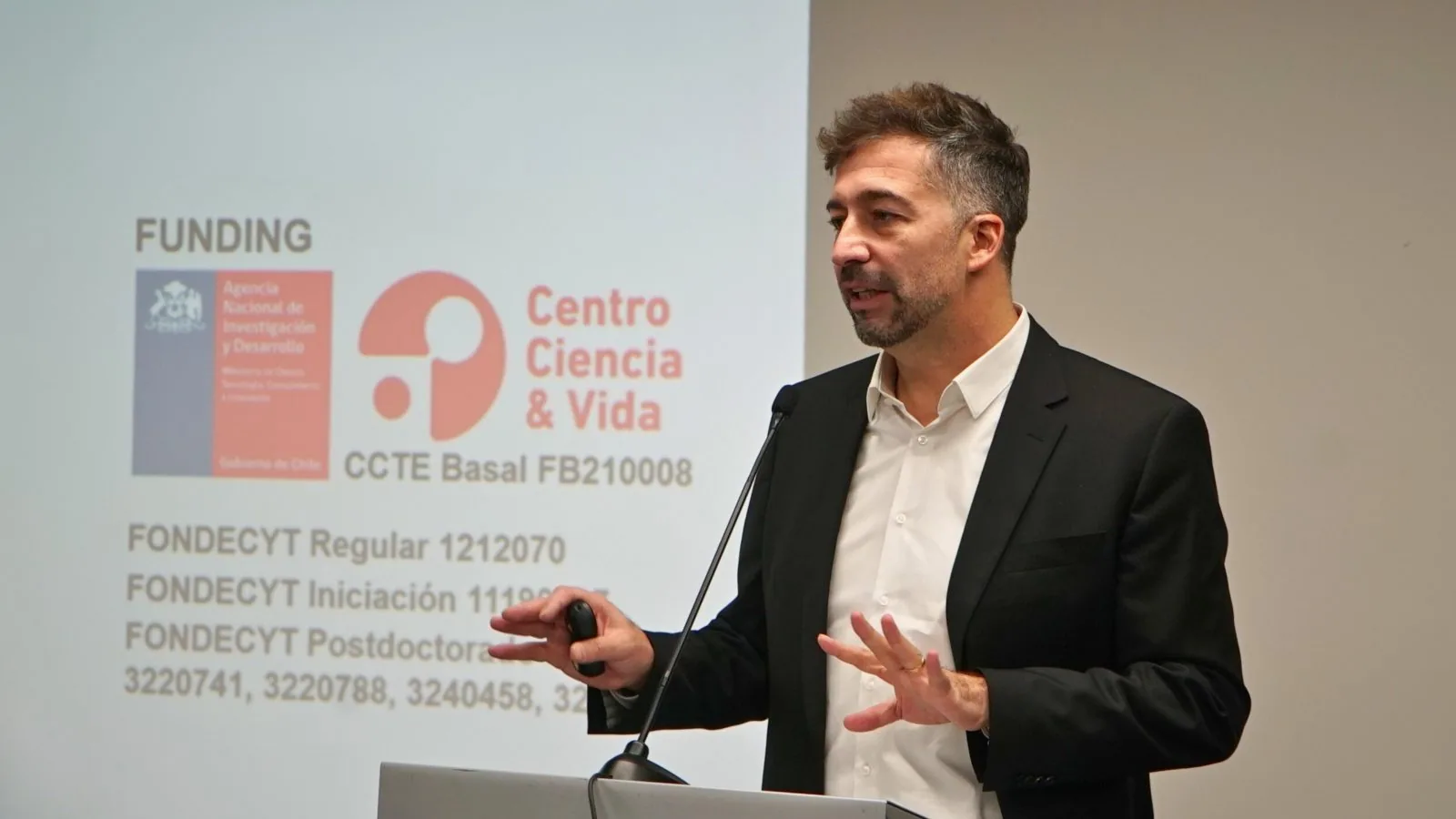
Dr. Álvaro Lladser takes over as the new director and Dr. Raquel Quatrini as alternate director, marking the beginning of a new stage in the trajectory of this institution.
Centro Ciencia & Vida is part of the Basal Financing Program for Scientific Technological Centers of Excellence of the National Research and Development Agency (ANID) and has nearly 300 people, including researchers, students, professionals, and collaborators, working on cutting-edge research in various areas of biology, such as immunology, virology, microbiology, cancer, neuroscience, cell biology, computational biology, and biotechnology.
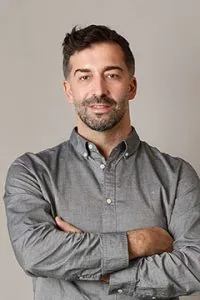
The new director, Dr. Álvaro Lladser, a biochemist and PhD in biomedical sciences from the Universidad de Chile, with a postdoc from the Karolinska Institute in Sweden, is recognized for his career in cancer immunology and immunotherapy. His research focuses on the study of T lymphocytes, the immune system cells responsible for eliminating cancer cells. In particular, Dr. Lladser studies how to assist or strengthen these cells to efficiently eliminate cancer cells.
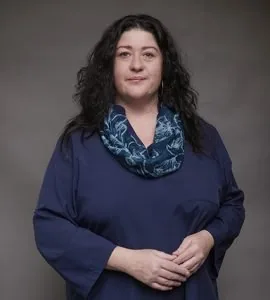
Dr. Raquel Quatrini, a biologist and PhD in Biotechnology, and an outstanding researcher in microbiology and microbial ecology who takes over as the new alternate director, focuses on the adaptation and functionality of microorganisms in extreme environments. Her work has been key to understanding how these organisms contribute to environmental sustainability and their potential biotechnological applications.
The change in leadership is part of a stage of consolidation and expansion of the Basal Center, a process that began with the relocation to a modern 7,000-square-meter building in alliance with Universidad San Sebastian, strengthening its infrastructure for research and the training of advanced human capital.
Thus, Centro Ciencia & Vida reaffirms its commitment to scientific excellence and innovation, seeking to address current challenges in science and technology to contribute to the country's development. The combination of experience and leadership of Dr. Lladser and Dr. Quatrini promises to drive new lines of research and strengthen collaboration networks both nationally and internationally, contributing to sustainable development and societal well-being.
Outgoing authorities
The Centro Ciencia & Vida of the USS thanks Dr. Tomás Pérez-Acle and Dr. María Soledad Matus for their management over the past years, as they conclude their terms as director and alternate director of the Center, respectively. Their work in recent years was fundamental in consolidating the Center as a reference institution in scientific and technological research, reaching new levels of maturity and national and international projection.
Over the coming years, Dr. Pérez-Acle, an expert in computational biology, will continue to contribute to the advancement of mathematical and computational models applied to complex biological processes. For her part, Dr. María Soledad Matus will continue to contribute to the understanding of the molecular mechanisms of neurodegenerative diseases, such as Alzheimer's.