
Media coverage

111 resultsMost recent first

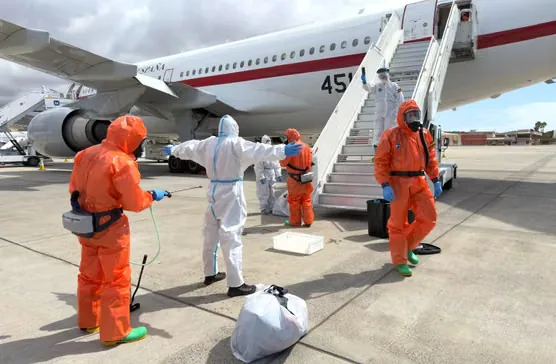
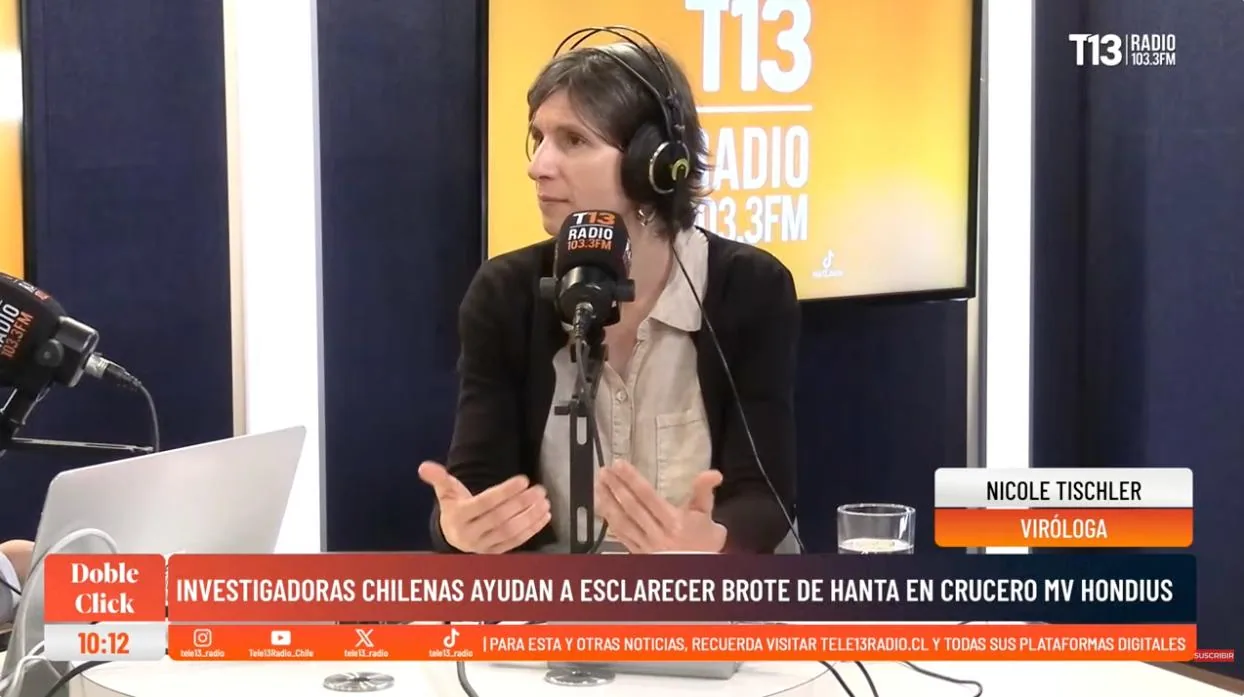
Chilean female researchers help clarify hanta outbreak on MV Hondius cruise ship

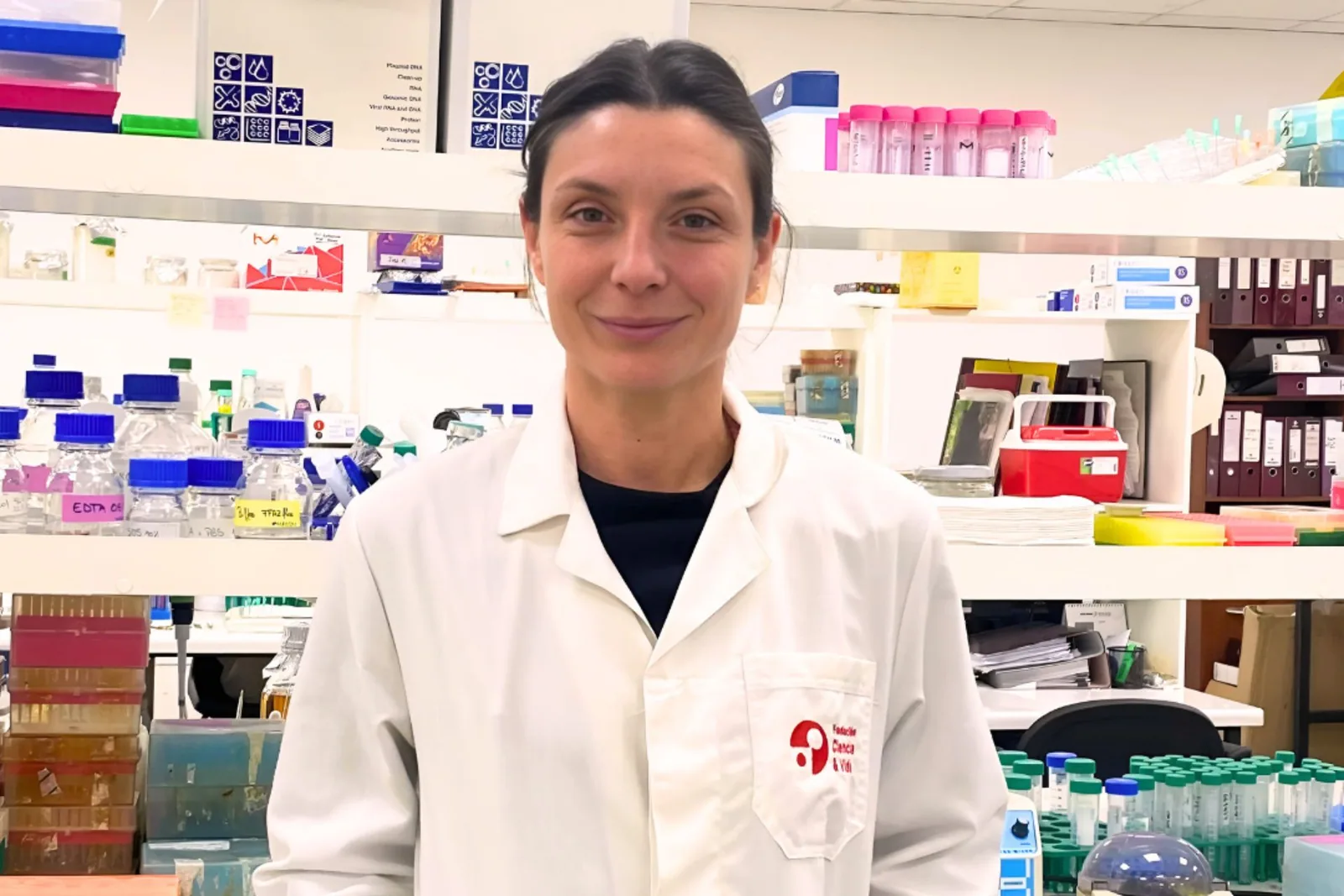
Nicole Tischler, researcher at Centro Ciencia & Vida and faculty member at the Faculty of Medicine of Universidad San Sebastián, participated in the international research that gave rise to two studies in Science. The works document the person-to-person transmission of the Andes virus during the trip and link the outbreak virus to a lineage that had been circulating for years in the Argentine Patagonia.

View coverage (opens in a new tab)

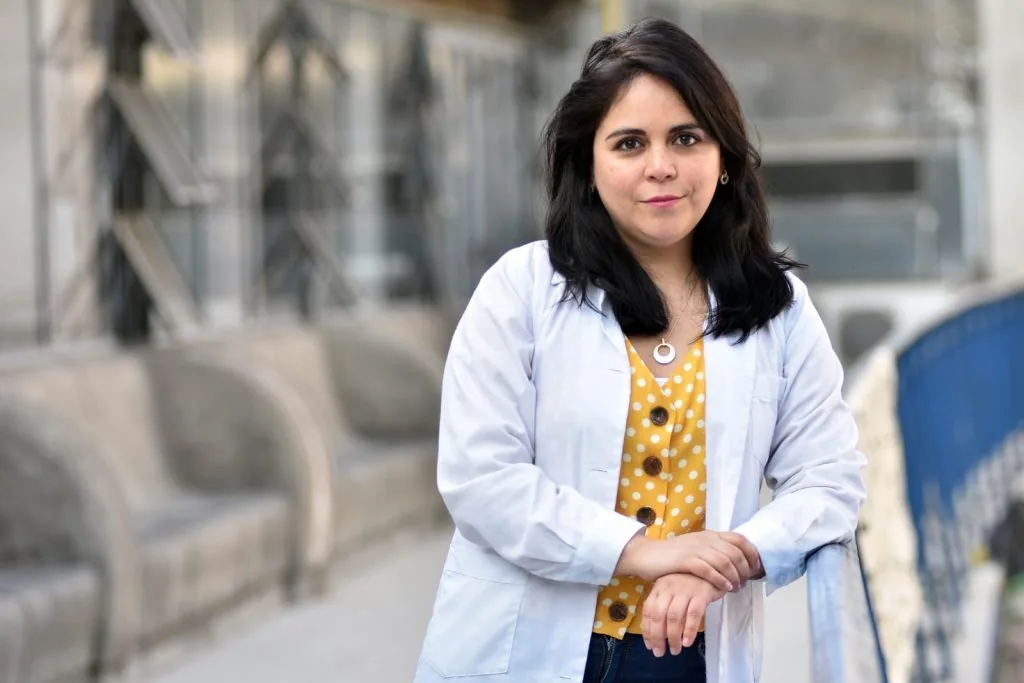
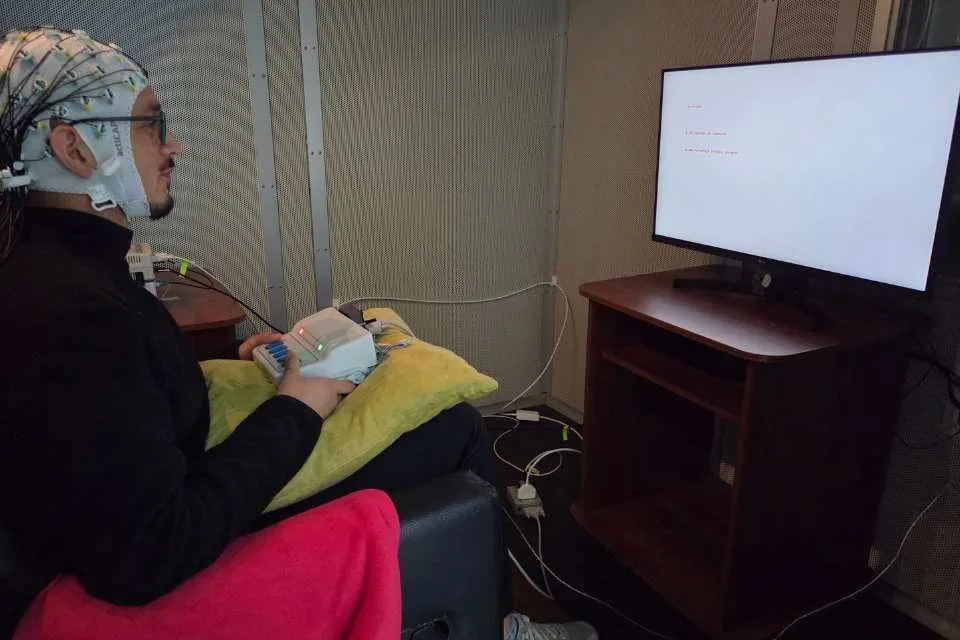
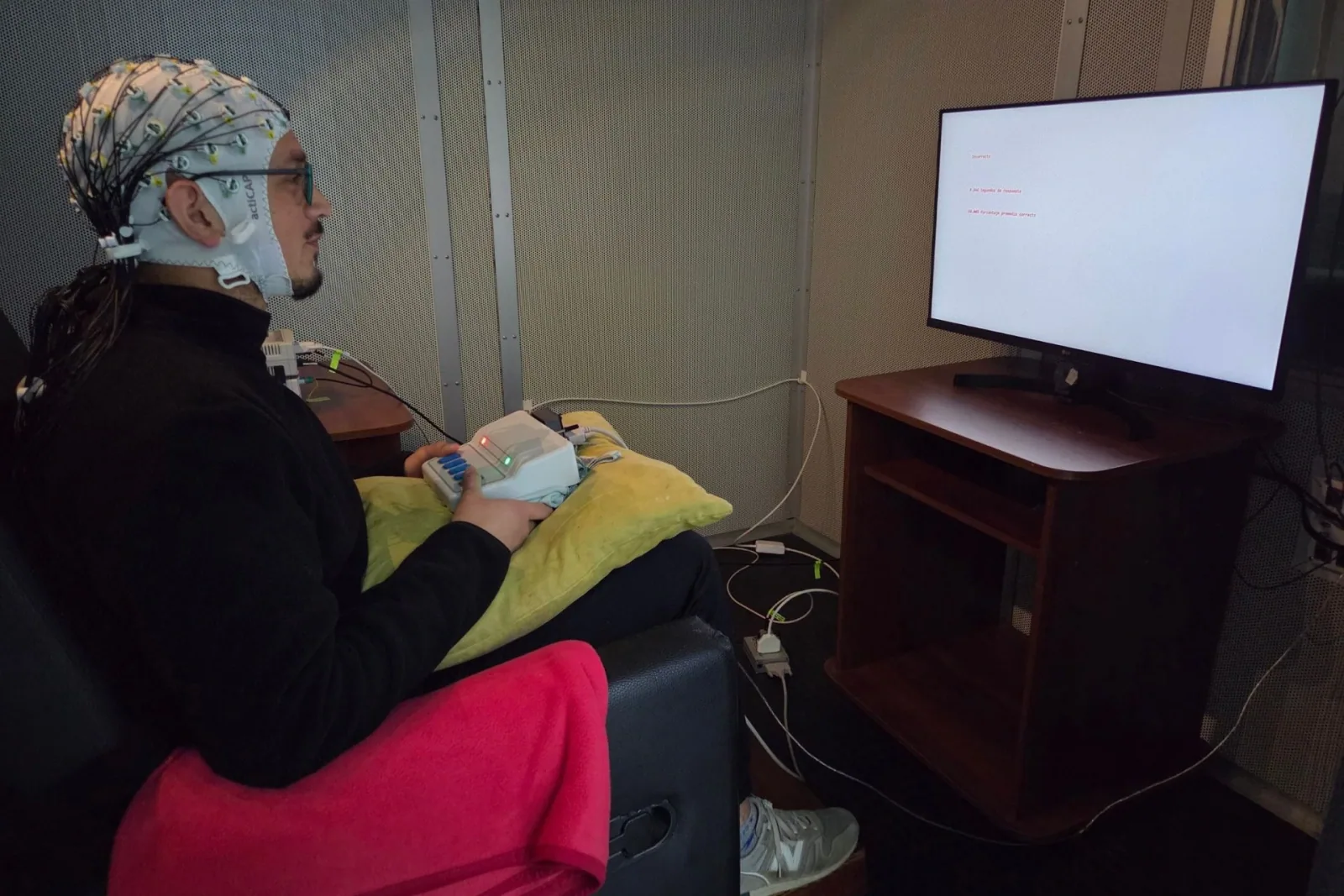
Designed by a Centro Ciencia & Vida researcher: Computational models used to stimulate working memory brain networks in older adults

The study combines brain electrical activity records and computational simulations to identify stimulation parameters that could improve working memory, and thereby the ability to retain and use information during a task. - Dr. Mónica Otero, an academic at Universidad San Sebastián and associate researcher at Centro Ciencia & Vida, leads this computational neuroscience project, which is conducted in collaboration with the Center for Research in Cognition and Meaning at the Universidad de Valparaíso. - Working memory temporarily retains and manipulates the information needed to complete a task, and its decline is characteristic of non-pathological aging.

View coverage (opens in a new tab)
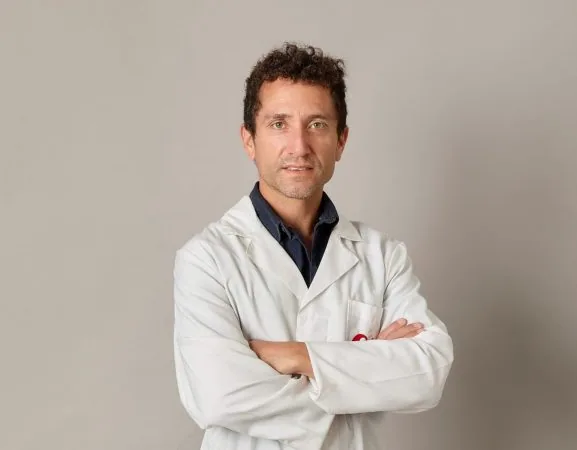
Venture studio will manage access to European funds and networks for Chilean CAR-T therapy against Parkinson's

AndesFenix manages a portfolio of 72 university projects A CAR-T cell therapy for Parkinson's disease, developed by researchers from the Neuroimmunology laboratory at Centro Ciencia & Vida –of Fundación Ciencia & Vida and Universidad San Sebastián (FCV-USS)– with funding from the Michael J. Fox Foundation and ANID's FONDEF program, has entered the European innovation circuit through a pre-license signed with AndesFenix.

View coverage (opens in a new tab)
Chilean CAR-T therapy against Parkinson's seeks funding in Europe

Fundación Ciencia & Vida and Universidad San Sebastián, co-owners of the spinoff ImmunoConnect, granted a pre-license to offer this therapy within the Old Continent's innovation circuit. Chilean scientist Pablo Lara, founder of AndesFenix (based in the Netherlands), estimates that more than 1.2 trillion dollars in scientific intellectual property remain unexploited by universities in the global patent system.

View coverage (opens in a new tab)
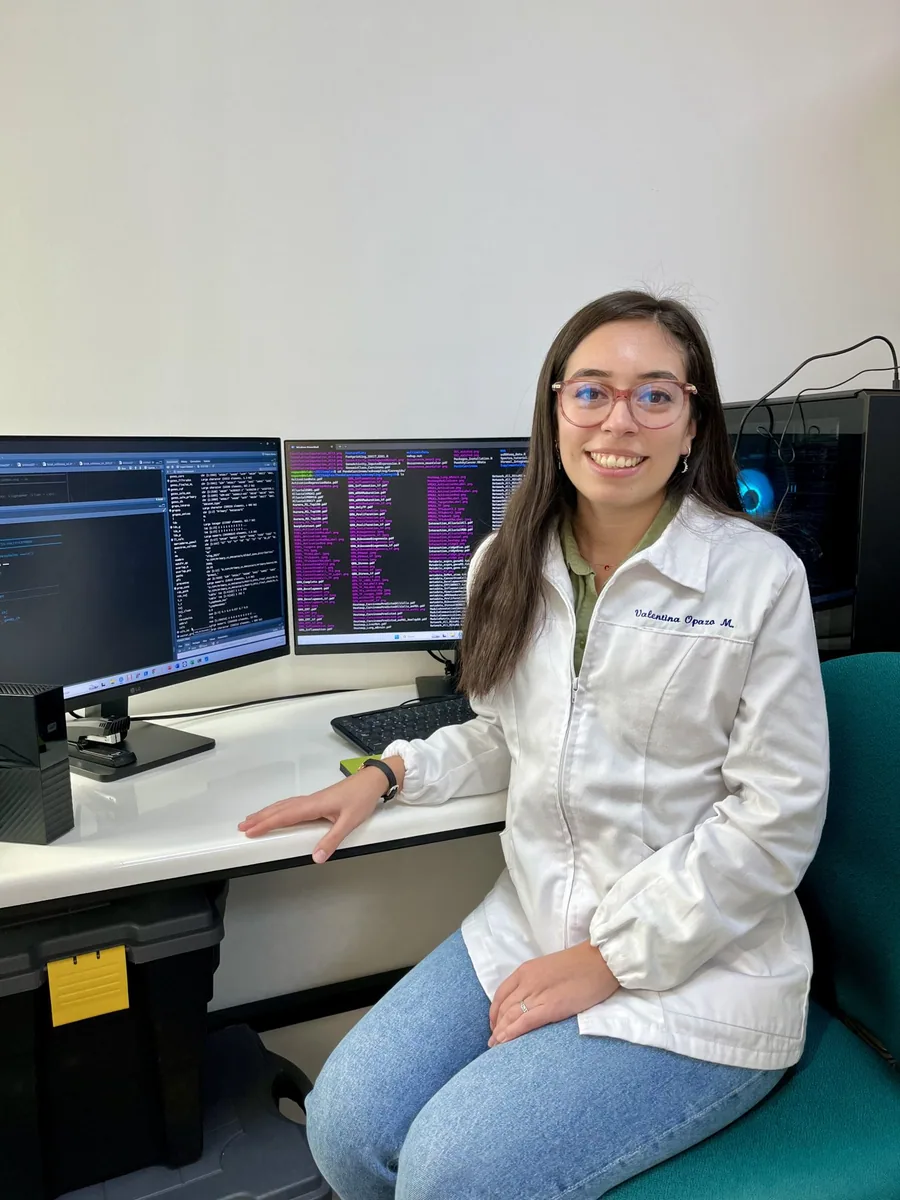
The ability to detect Alzheimer's risk is advancing faster than the ability to treat it: Chilean women are the most affected

The most mature development lies in blood biomarkers, which make it possible to detect biological signs of Alzheimer's earlier and earlier, explains Dr. Soledad Matus, director of the Neurodegeneration Biology Laboratory at Centro Ciencia & Vida, who studies the proteins that maintain the structure where memory resides.

View coverage (opens in a new tab)
12 of 111