
In a significant step for the internationalization of national science and biomedical research, Centro Ciencia & Vida and the Instituto de Investigação e Inovação em Saúde (i3S) of the University of Porto, Portugal, have formalized an agreement that establishes a solid framework for collaboration designed to integrate the complementary competencies of both institutions and address global challenges in health and biotechnology.
In a significant step for the internationalization of national science and biomedical research, Centro Ciencia & Vida—an organization linked to Fundacion Ciencia & Vida and Universidad San Sebastian—and the Instituto de Investigação e Inovação em Saúde (i3S) of the University of Porto, Portugal, have formalized an agreement that establishes a solid framework for collaboration designed to integrate the complementary competencies of both institutions and address global challenges in health and biotechnology.
This alliance stems from the mutual recognition of each center's strengths. On one hand, i3S has established itself in Europe as a leading non-profit organization in life sciences, dedicated to solving critical problems of modern society, such as aging, infectious diseases, cancer, regenerative medicine, and neurodegenerative diseases.
Its model seeks not only high-standard research but also to foster an environment that favors technology transfer and strong interaction with hospitals and industries.
For its part, Centro Ciencia & Vida contributes its distinctive "Science 360" approach and expertise, a philosophy that spans from scientific research and advanced human capital training to technology transfer and biotechnological entrepreneurship. Centro Ciencia & Vida promotes societal development through science, creating opportunities for global partnerships and international networks—elements that will now be enhanced by this link with the Portuguese research and health innovation institute, i3S.
Scope and pillars of the collaboration
The central purpose of the agreement is to promote cooperation in priority areas for both institutions. The agreement details multiple avenues for joint action including, but not limited to:
Development of joint research: creation of collaborative projects and proposals focused on shared scientific and health priorities between Chile and Portugal.
Academic innovation and dual degrees: design and implementation of collaborative courses, seminars, and academic and professional programs. A highlight of the agreement is the possibility of developing joint or dual degree programs, which would directly benefit students and researchers in training.
Exchange of human capital: the exchange of expertise, technical staff, and resource capabilities will be facilitated, allowing researchers from both sides of the Atlantic to share laboratories and knowledge.
Dissemination and scientific meetings: joint organization of conferences, symposia, and academic meetings to foster multilateral efforts supporting the advancement of life sciences and technology, ensuring the dissemination of these breakthroughs to diverse audiences.
Next stages of the agreement
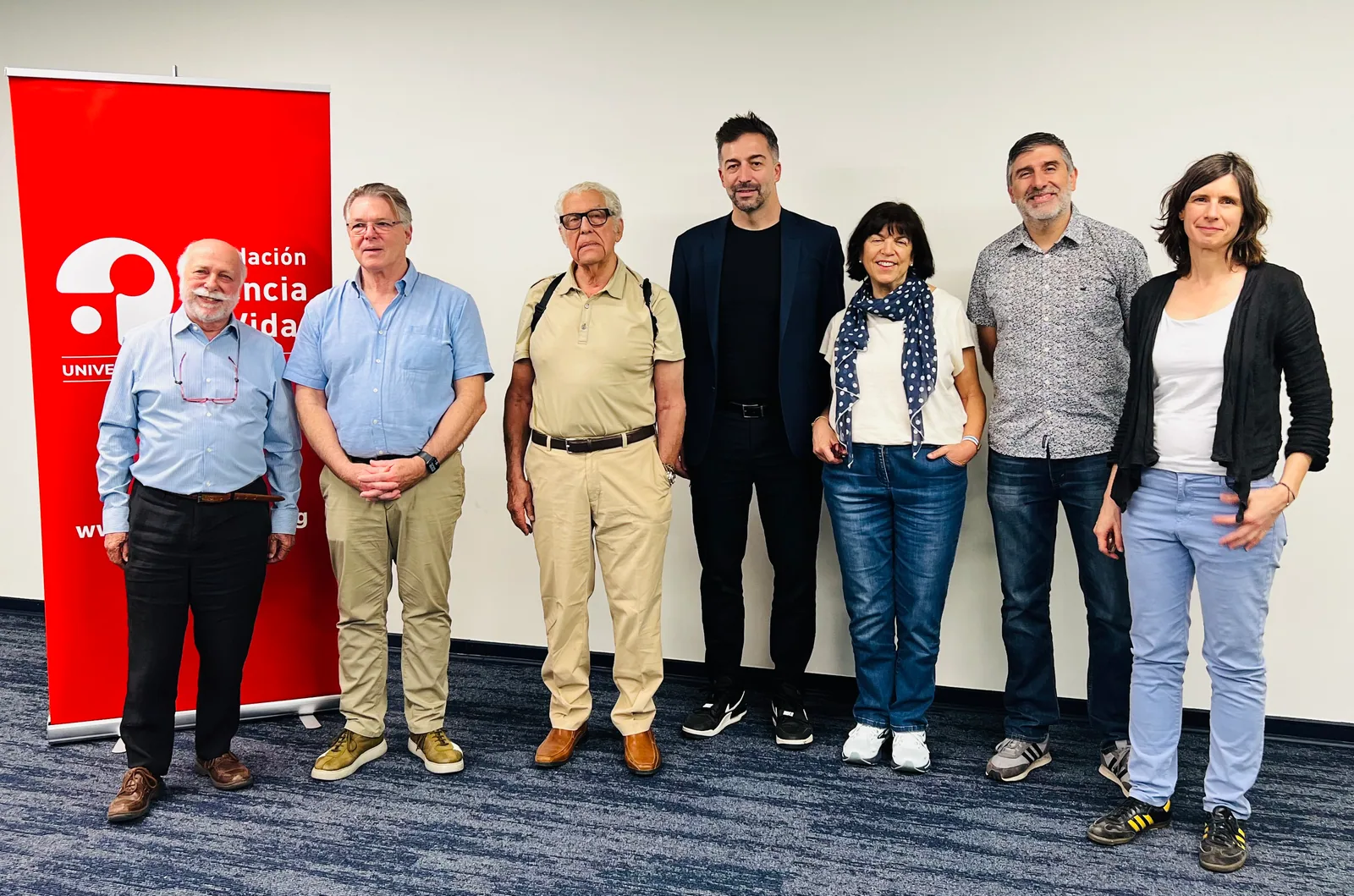
To ensure the success of this alliance, a clear coordination structure has been established. Dr. Álvaro Lladser, director of Centro Ciencia & Vida, and Dr. Claudio Sunkel, director of i3S, will serve as the primary liaisons for the implementation of the agreement's activities.
This agreement not only links two research institutes but also connects innovation ecosystems in Latin America and Europe, opening opportunities for shared funding, mobility for young researchers, and an acceleration in the search for solutions to complex diseases through the combination of talent and cutting-edge technology.