
The most important challenges in science must be addressed through collaborative research. A recent study delivers promising results for the treatment of glioblastoma, one of the most aggressive and lethal cancers.
The most important challenges in science must be addressed through collaborative research.
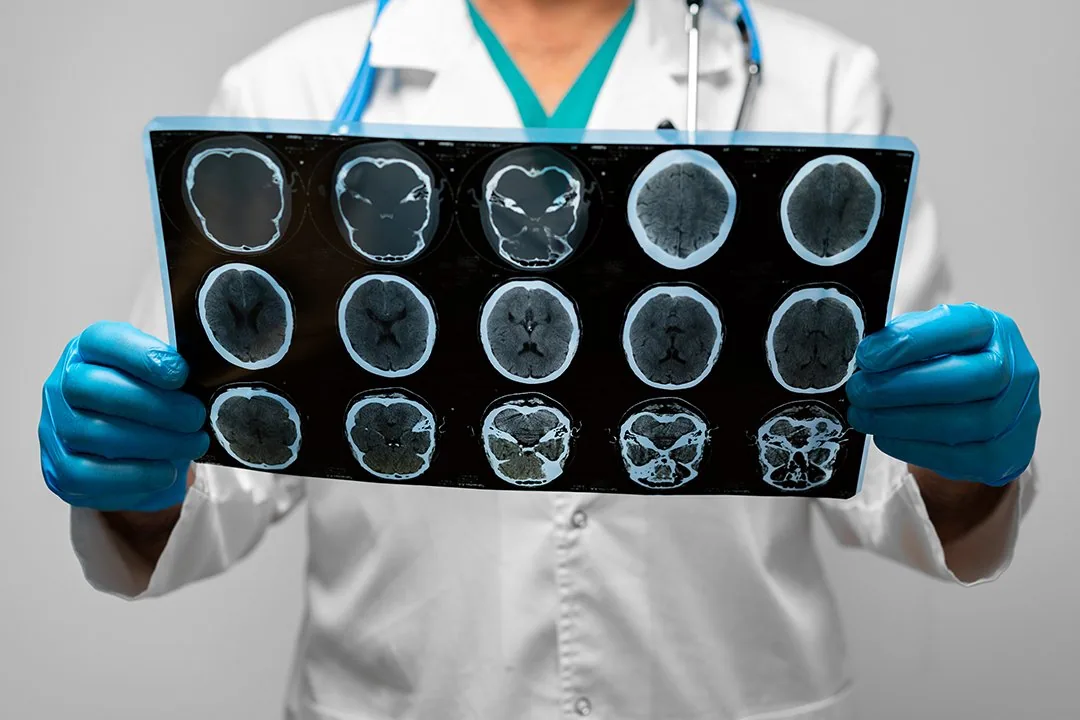
A recent study delivers promising results for the treatment of glioblastoma, one of the most aggressive and lethal cancers.
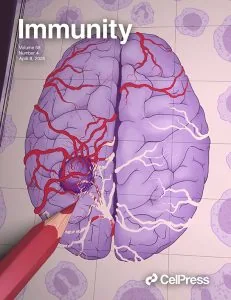
An example of this is the publication of a study on cancer immunotherapy in the journal Immunity, led by Dr. Felipe Gálvez-Cancino (Centre for Immuno-Oncology, University of Oxford, UK) and Dr. Sergio Quezada (Cancer Institute, University College London, UK), where Dr. Álvaro Lladser (Centro Ciencia & Vida-USS) is co-author.
The study reveals promising results in the treatment of glioblastoma, one of the most aggressive brain tumors and resistant to current therapies. The recently published paper is the product of a long-term scientific collaboration between researchers trained in Chile, who have established themselves in the United Kingdom, and researchers from other world-class universities and centers, including Dr. Álvaro Lladser, principal investigator at Centro Ciencia & Vida and professor at Universidad San Sebastián, who was the undergraduate and doctoral thesis advisor of Dr. Gálvez-Cancino.
In this regard, Dr. Gálvez-Cancino highlights how “Fundacion Ciencia & Vida has been key throughout my scientific career. I believe that the vision of Pablo Valenzuela, Bernardita Méndez, and Mario Rosemblatt to create a center of excellence in Chile, very well connected with the world, is something that inspires me to this day. In particular, my work with Dr. Alvaro Lladser allowed me to do world-class science, train as an immunologist, and meet many scientists, including Sergio Quezada, with whom I later did my postdoc in London. Today, in my current position as group leader in Oxford , the Foundation and the training I received rank as one of my most important scientific experiences.”
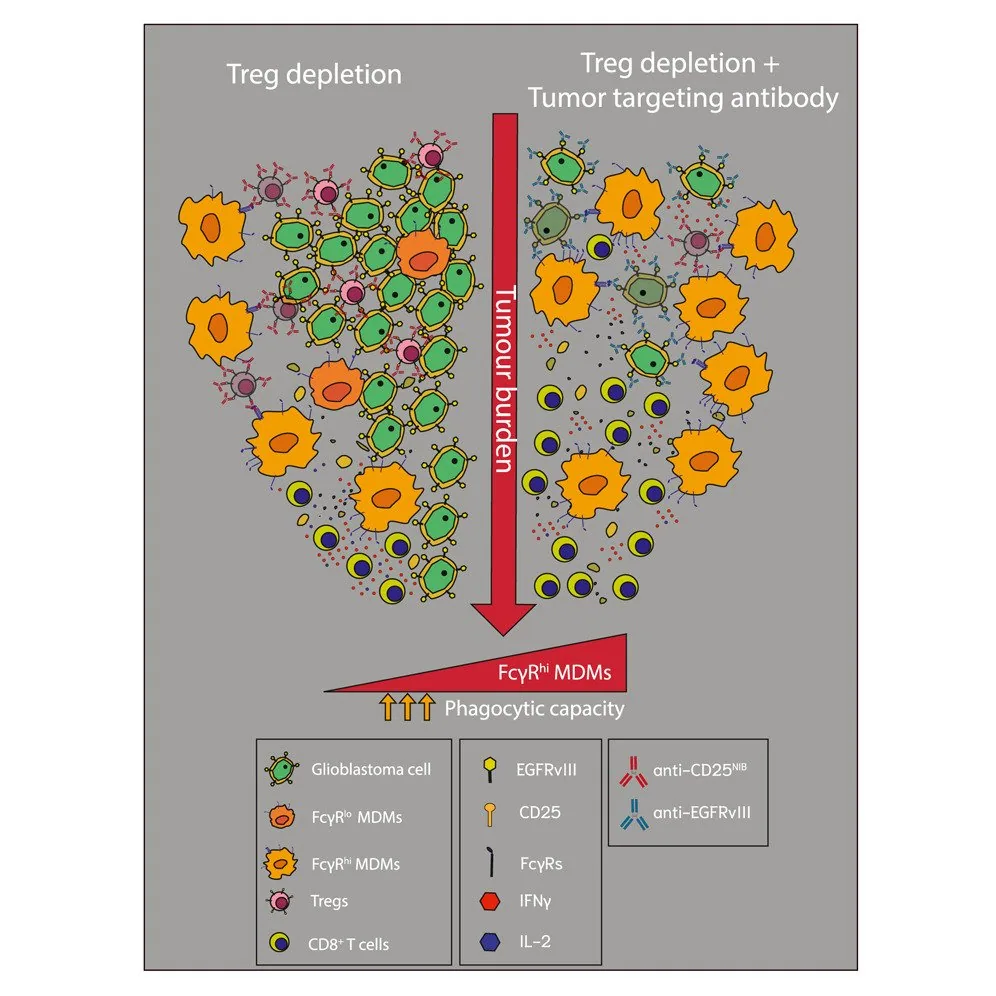
The publication shows that by depleting regulatory T cells (Tregs), which normally suppress the immune response in the tumor microenvironment, the immune system's ability to attack the tumor is reactivated. This effect makes glioblastomas, which are usually resistant to immunotherapy, sensitive to immune checkpoint inhibitors such as the anti-PD1 antibody, opening a new therapeutic avenue for patients with this type of cancer.
In this regard, Gálvez-Cancino explains that in “the study of glioblastoma, one of the most lethal cancers that exists, we demonstrated that the depletion of regulatory T lymphocytes that suppress the immune response against the tumor is capable of increasing survival in preclinical models of glioblastoma and activating the immune system in samples from patients with glioblastoma.”
This breakthrough not only represents a milestone in cancer research, but also illustrates the impact of training researchers capable of formulating new questions and technologies, and establishing networks that transcend countries and institutions. Felipe Gálvez-Cancino is now the leader of his own laboratory at the University of Oxford, and continues to actively collaborate with his mentors, Lladser and Quezada.
“This collaboration started years ago and stems from the interaction generated in the advanced courses and international symposia we have organized at Centro Ciencia & Vida-USS. These events foster the exchange of knowledge and the formation of collaborative networks between students and researchers from Chile and the best research centers in the world. This model has proven to be tremendously successful, and Felipe is an example of this. He trained in our laboratory and then projected himself into a high-level international scientific environment. That he is now leading research with global impact is a source of pride and also a clear sign that investing in science and advanced training yields concrete results,” highlights Dr. Lladser.
For Dr. Sergio Quezada, “this collaboration is something I deeply appreciate. With the Foundation, and Dr. Alvaro Lladser's laboratory in particular, we have been exchanging knowledge, technologies, and publishing together for many years. Beyond the discoveries and publications, there is a relationship of trust and also a connection with young Chilean researchers that I really enjoy, which in some cases allows us to achieve exchanges and training for Chilean students in my laboratory in the United Kingdom, while we have also sent young researchers to the foundation to participate in different courses, generating more exchange and collaborations.”
The story behind this study highlights how high-impact science is generated through international collaboration and not in isolation, which requires a long-term vision, environments that cultivate talent, and the conviction that the best ideas are usually born from working together.
Link to the article: https://www.cell.com/immunity/fulltext/S1074-7613(25)00162-1