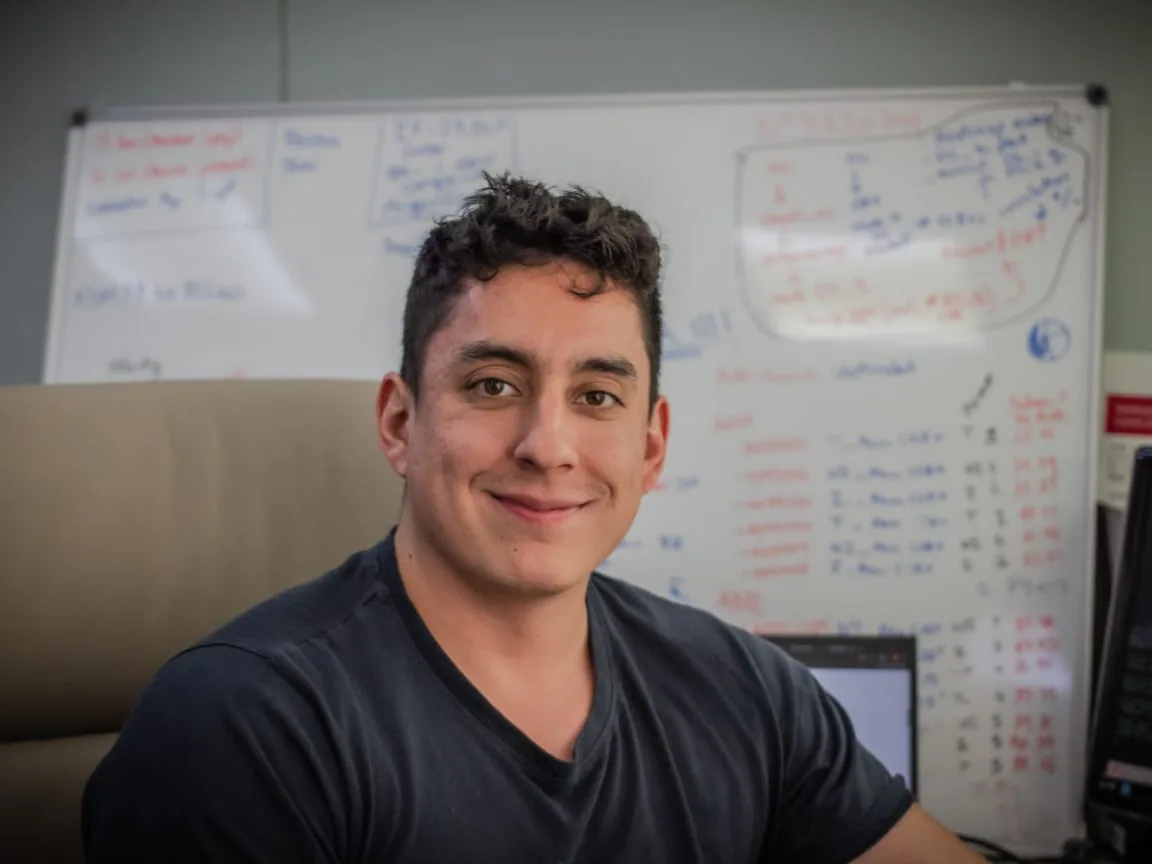

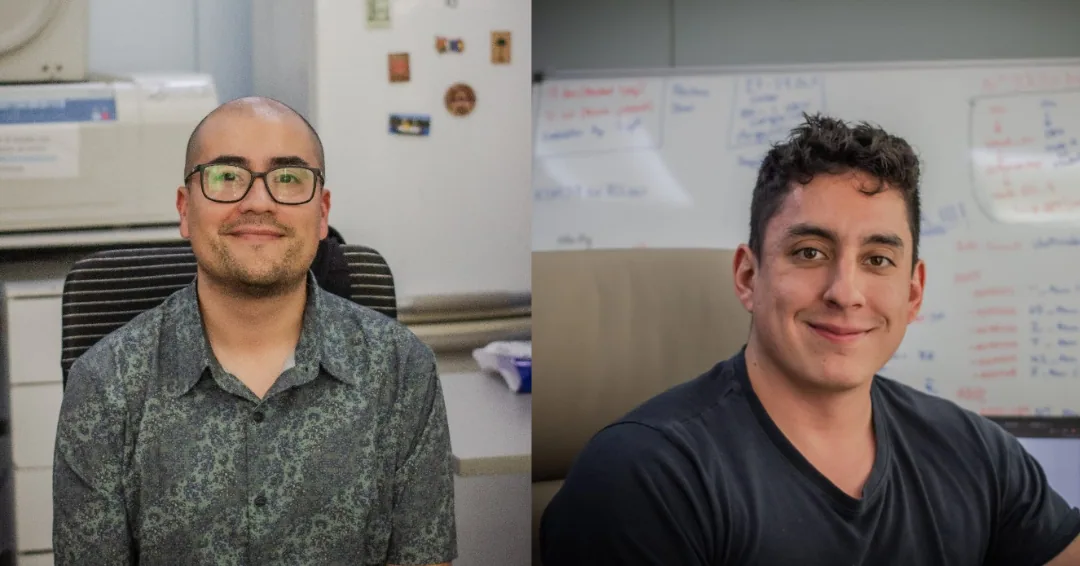
The Immuno-oncology Laboratory led by Dr. Álvaro Lladser, director of the Centro Basal Ciencia & Vida, Fundacion Ciencia & Vida, and Universidad San Sebastian, celebrates the selection of two team members in competitions from the National Research and Development Agency (ANID), a recognition that strengthens the group's work at the intersection of immunology, cancer, and advanced data analysis.
The Immuno-oncology Laboratory led by Dr. Alvaro Lladser, director of the Centro Basal Ciencia & Vida, Fundacion Ciencia & Vida, and Universidad San Sebastian, celebrates the selection of two team members in competitions from the National Research and Development Agency (ANID), a recognition that strengthens the group's work at the intersection of immunology, cancer, and advanced data analysis.
On one hand, Sergio Hernández Galaz, a postdoctoral researcher, was included in the list of projects awarded in the 2026 Fondecyt Postdoctoral Competition (ANID) as Principal Investigator of project No. 3260791, with a proposal titled “An integrative analysis to define clinically relevant immune archetypes in human renal cell carcinoma tumors”.
A Biochemist (UACh) and the first PhD in Computational Biology from Universidad San Sebastian , Hernández Galaz's research integrates deep machine learning and biological networks for scRNA-seq data analysis; he is currently conducting his postdoc within the framework of the collaboration between the Centro Basal and Fundacion Arturo Lopez Perez.
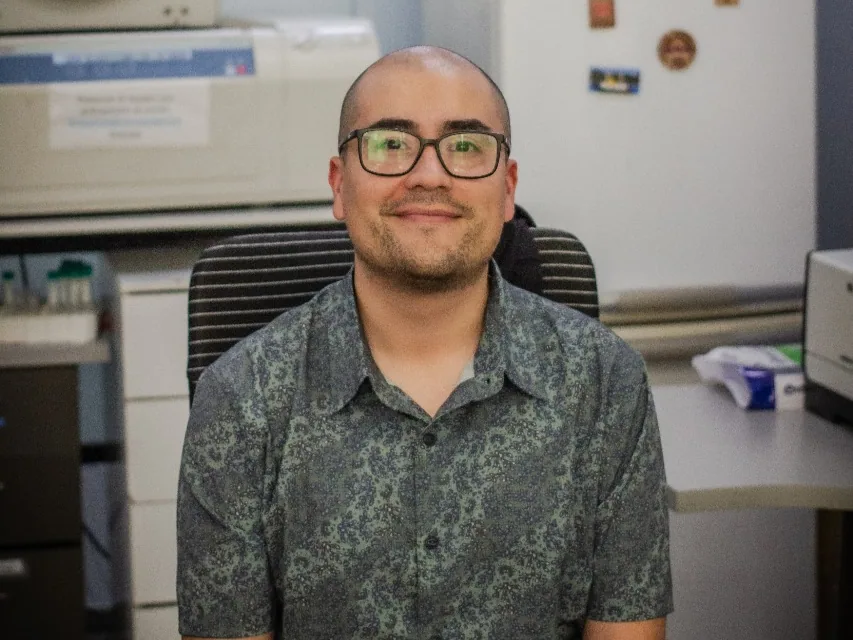
Likewise, Andrés Hernández Oliveras, who is also part of the collaboration between the Centro Basal and Fundacion Arturo Lopez Perez, is one of the selected candidates for the 2026 Fondecyt Initiation in Research Competition (ANID) as Principal Investigator of project No. 11261520 titled “Functional and Spatial Organization of Resident Memory CD8+ T Cells in Breast Cancer Tumors and Metastatic Lymph Nodes,” which seeks to provide evidence on the functional and spatial organization of resident memory CD8+ T cells in breast cancer tumors and metastatic lymph nodes.
A Mexican biologist with a Master's and PhD in Sciences from Universidad Veracruzana, he has previous postdoctoral experience at UNAM and is currently finishing his second postdoc at Centro Ciencia & Vida, applying methodologies such as single-cell sequencing and spatial transcriptomics in collaboration with the Institut Curie (Paris, France), to understand the role of the spatial organization of the immune system in therapy response and metastasis in breast cancer patients.