

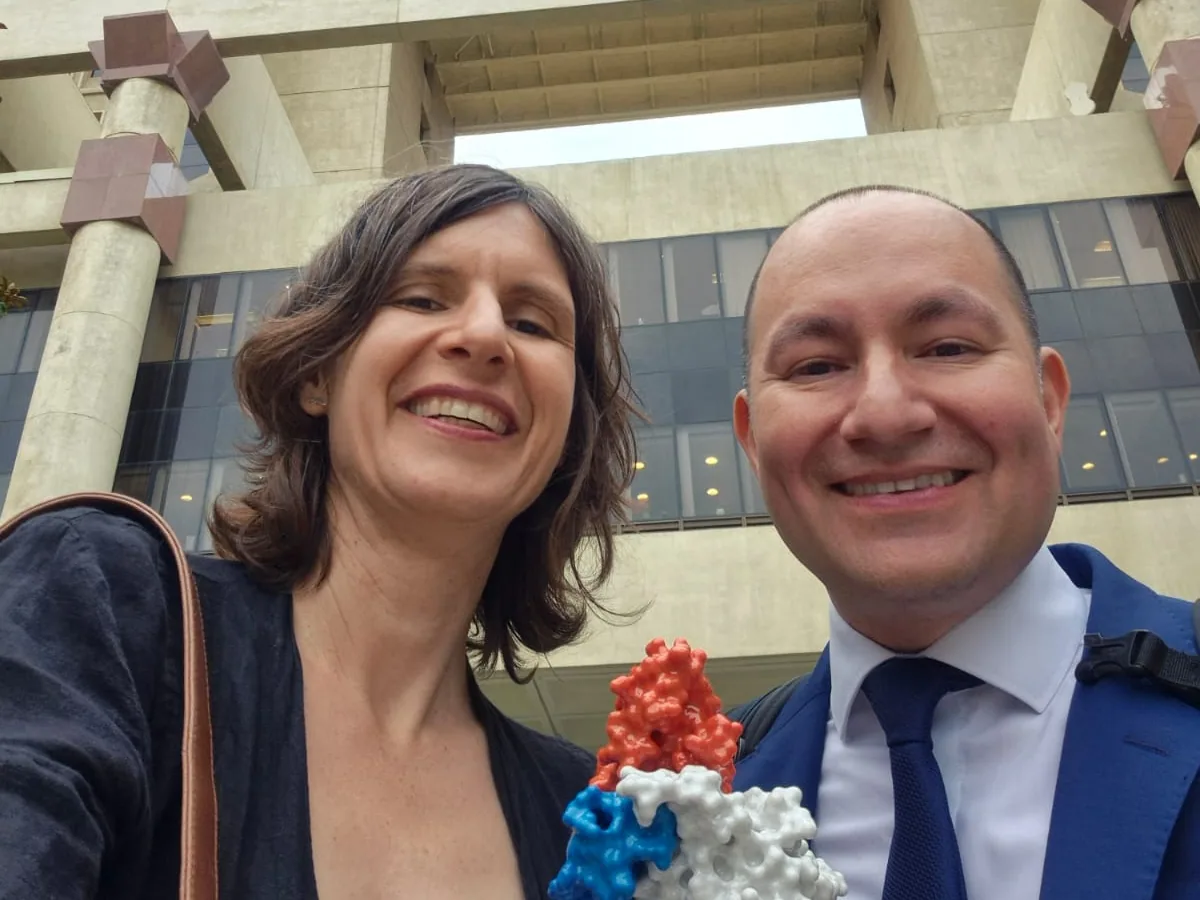
Dr. Nicole Tischler, principal investigator at the Centro Ciencia & Vida of the USS, and Dr. Alejandro Rojas, researcher at the Universidad Austral de Chile, were invited last week to present before the Future, Sciences, Technology, Knowledge, and Innovation Commission of the Chamber of Deputies, where they shared the scientific advances made jointly for the development of vaccines and therapies against the Andes virus, which causes hantavirus in our country.
During their presentation, the researchers highlighted that hantaviruses represent a global concern, as different variants exist in various regions of the planet that cause disease in humans. Among these, the Andes virus present in our region is of particular relevance due to the high fatality rate it can cause and because it is the only hantavirus known to be transmitted from person to person.
These characteristics, as well as the absence of preventive or therapeutic treatments, led the World Health Organization (WHO) to include hantaviruses in the “BluePrint” list of priority pathogens , which features agents against which research and preparedness must exist in the face of potential epidemic and pandemic risks.
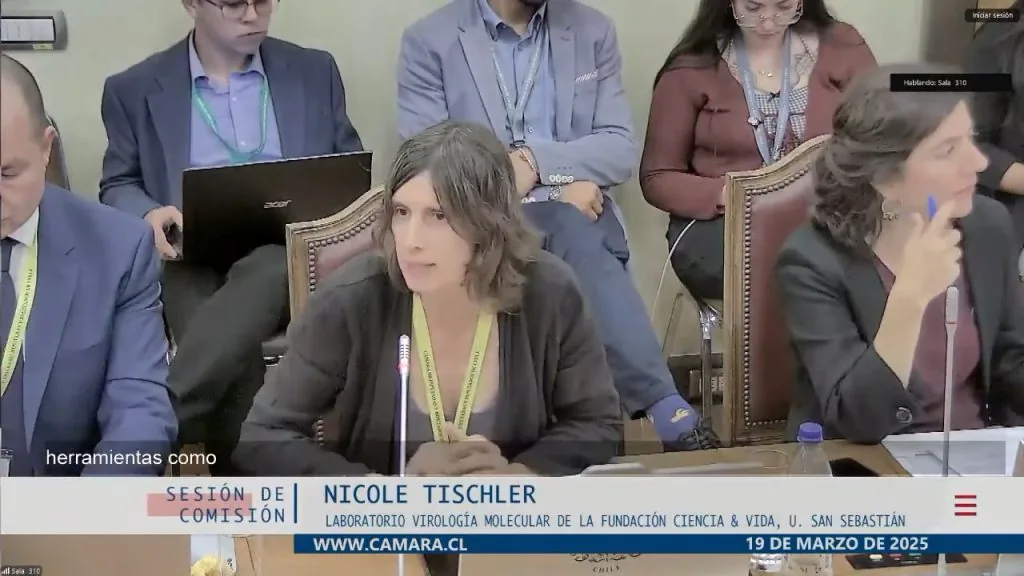
Dr. Tischler emphasized that this preparedness must be addressed from different fronts:
Molecular characterization of hantaviruses: “We have been studying hantaviruses in Chile for decades thanks to continuous funding from ANID. Today, we also have high-security equipment acquired through the FONDEQUIP Mayor instrument, which allows us to work with authentic viruses under controlled conditions,” she noted.
Development of preventive vaccines: She mentioned that funding for projects such as a FONDEF IDeA for Advanced Technologies that she leads is fundamental, focusing on the development of a vaccine that uses an innovative platform based on “empty” viral particles, capable of generating a safe and protective immune response.
Antiviral research: One of the main milestones has been the development of alpaca-derived nanoantibodies, in collaboration with Dr. Alejandro Rojas of the Universidad Austral de Chile. These show great therapeutic potential due to their high affinity for the virus and their ability to neutralize it; that is, once bound to the virus, they prevent it from infecting human cells.
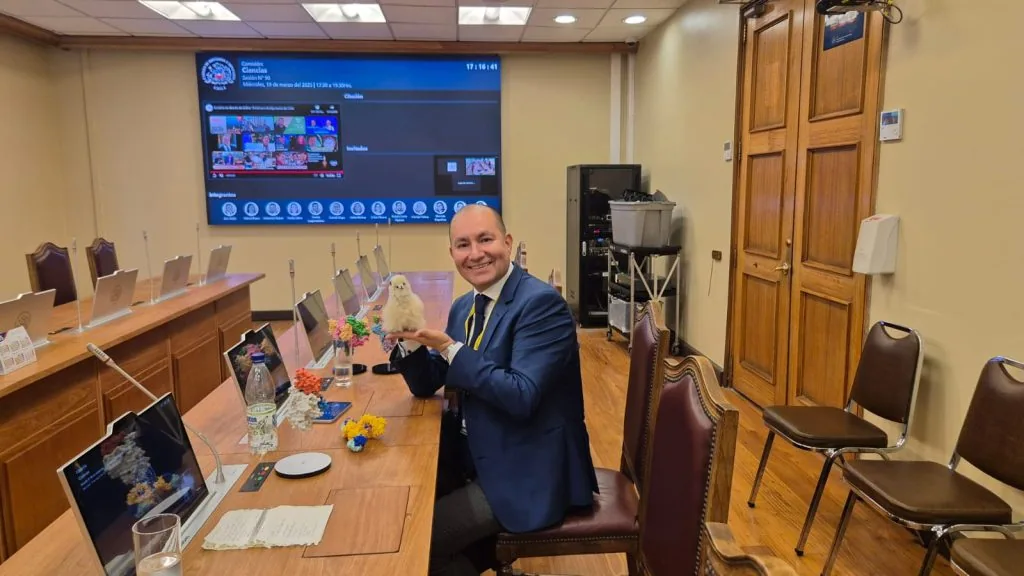
Despite scientific advances, a critical gap exists: the lack of instruments to take scientific discoveries from the research stage to clinical phases. To move toward an effective solution, it is necessary to produce vaccines and treatments under GMP (Good Manufacturing Practices) standards, an indispensable requirement for initiating clinical trials in humans. “Since this is a rare disease, there is not enough commercial interest to mobilize private investment. Therefore, without state support, these solutions will never reach patients,” Dr. Tischler warned.
The National Agency for Research and Development (ANID), within its requirements and recommendations for awarded projects, has requested research teams to seek a funding commitment from the State of Chile and neighboring countries, in order to make the production and clinical evaluation of these innovations viable.
With that objective, the researchers attended the Chamber of Deputies to raise awareness among decision-makers about the urgency of promoting these developments as State policies. Their message was clear: the fight against hantavirus cannot rely solely on the will and creativity of scientific teams, but rather requires an articulated national strategy and a long-term vision for its sustainability.
The presentation was well received by the commission, which recognized the importance of the work carried out and the need to strengthen the links between science and public policy.
Chile has the scientific and technical capacity to lead the regional response to hantavirus. What is needed now is political will to turn that potential into real protection for the public.
Check out the full presentation below: