
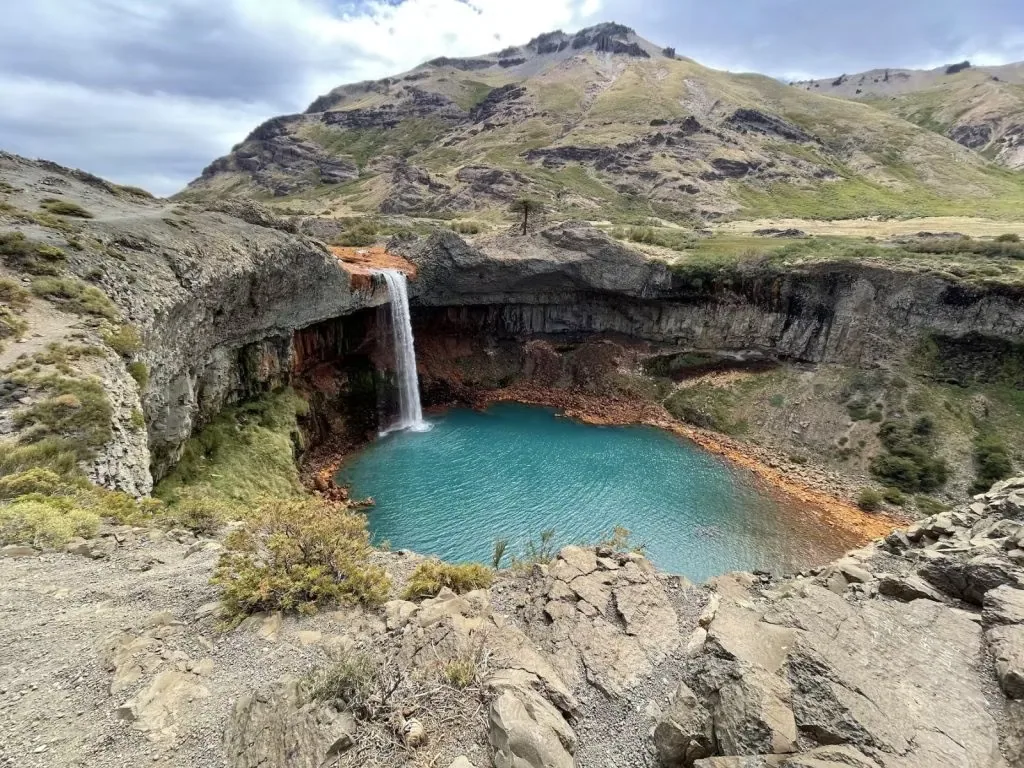
The documentary follows a Chilean-Argentine team on their expedition to the Copahue-Caviahue volcanic complex, where they study extremophile microorganisms capable of inhabiting extreme conditions. The audiovisual production by the Eureka Program of the Centro Ciencia & Vida (FCV-USS) was included in the evaluation process of the competition, one of the reference spaces for science cinema in the Southern Hemisphere.
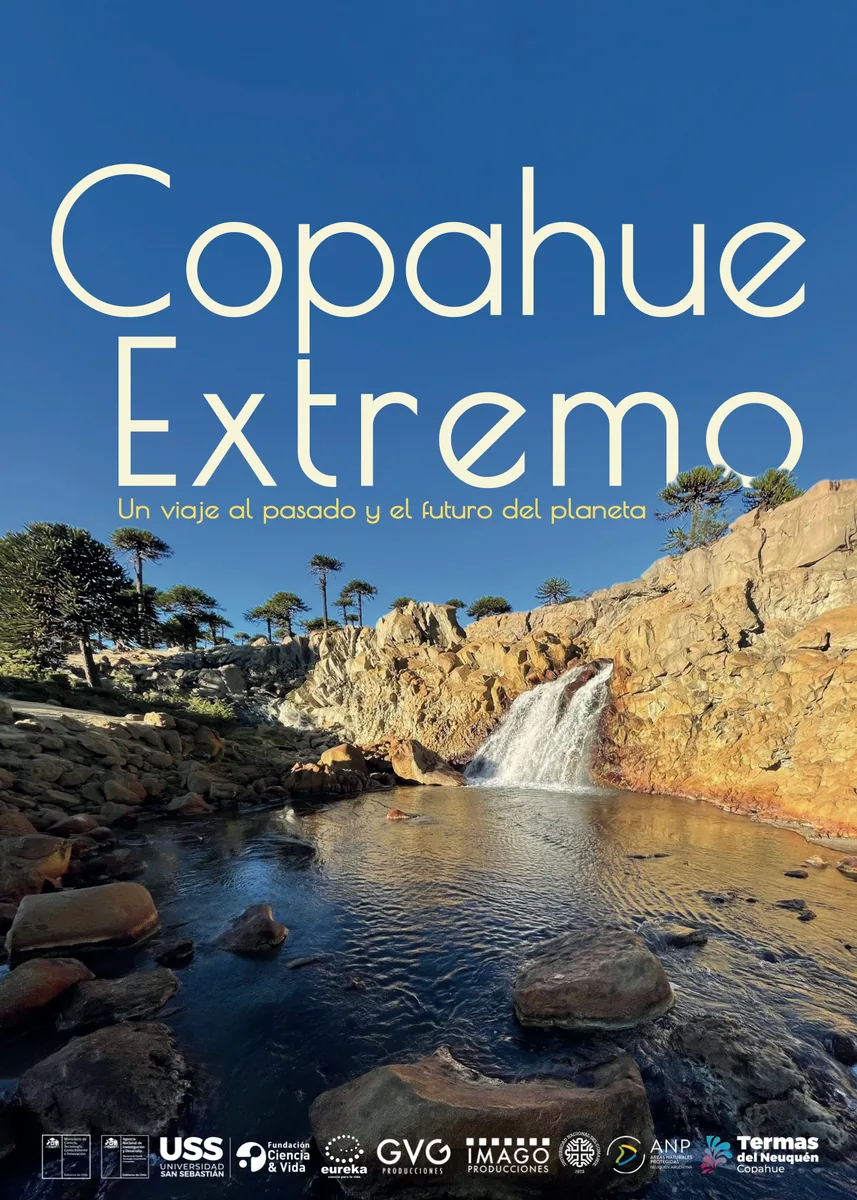
The documentary Copahue Extremo: un viaje al pasado y futuro del planeta has been selected for jury consideration at the SCINEMA International Science Film Festival, an international scientific film competition based in Australia.
This advancement represents a new milestone for a work that seeks to bring the scientific research conducted in extreme environments closer to the public, specifically at the Copahue volcano, a unique natural ecosystem where extremophile microorganisms offer clues about life in extreme conditions and potential future applications in biotechnology, astrobiology, and sustainability.
Through an immersive visual narrative, Copahue Extremo invites viewers to explore a territory where science, nature, and the future meet. The audiovisual production is based on research conducted by a Chilean-Argentine scientific team dedicated to the study of extremophile microorganisms present in the Copahue-Caviahue volcanic complex.
SCINEMA is an international science film festival created in 2000 with the purpose of bridging the gap between science and the arts. Based in Australia, the competition provides a platform for professional filmmakers, amateurs, and students, showcasing scientific productions in various formats, such as documentaries, dramas, animations, short films, and natural history works. Furthermore, its programming is linked to Australia's National Science Week, an initiative that allows for the circulation of films to reach school, community, and cultural audiences.
Field research
Copahue Extremo is a scientific-audiovisual production by the Eureka Program of the Centro Ciencia & Vida, the Fundación Ciencia & Vida, and the Universidad San Sebastián. Directed by Julián Rosenblatt, the documentary follows Dr. Raquel Quatrini and a team composed of scientists from the Centro Ciencia & Vida and the Universidad Nacional del Comahue on an expedition to the Copahue-Caviahue volcanic complex, located on the border between Chile and Argentina.
The expedition ventures into one of the most extreme environments on the planet, at nearly 2,900 meters above sea level, to study extremophile microorganisms: living beings capable of inhabiting conditions of high acidity, temperature, and geochemical activity. These organisms open up new questions about the limits of life on Earth, its evolution in hostile environments, and the possible connections between the planet's deep past and the scientific challenges of the future.
The joint work between institutions on both sides of the Andes was key to exploring this natural laboratory, where science, territory, and heritage meet. Research in extreme environments not only contributes to understanding how life can adapt and thrive in inhospitable conditions, but also opens possibilities for areas such as biotechnology, mining, technology, medicine, and the search for life on other planets.
The selection of Copahue Extremo for jury consideration at SCINEMA reinforces the international reach of this work and highlights the value of communicating science from Chile and South America. It also confirms the importance of telling scientific stories rooted in the territory, capable of connecting excellent research, international collaboration, and scientific outreach for new audiences.
The documentary will continue its process within the festival, awaiting the next stages of evaluation and programming by the SCINEMA jury.