
The program will begin its new cycle with stories ranging from Parkinson's and cancer metastasis to electronic waste in the desert and dating violence.
It will air three times a week and will maintain an archive on YouTube that aims to continue growing as educational material for the country's schools.
The outreach series Exploradores: Del Átomo al Cosmos will begin its eleventh season on TVN's Canal 24 Horas, with a repertoire of reports including topics such as dating violence, electronic waste accumulating in the Atacama Desert, revolutionary treatments for Parkinson's designed in Chile, and the cellular processes involved in cancer metastasis.
With this new cycle, which will begin next Tuesday, October 6 at 15:30 hours, the program will reach 600 stories on Chilean science broadcast since its premiere.
Pablo Rosenblatt, director of the Eureka Program at Centro Ciencia & Vida, is the creator of Exploradores, a show that started as a co-production between TVN's Canal 24 Horas and Imago Producciones. Today, the program is also supported by the Millennium Institute of Oceanography, Centro Ciencia & Vida (of the Fundación Ciencia & Vida and Universidad San Sebastián) and Digital Education.
“In today's television, it is almost a miracle for a program to be on the air for eleven years. The world of science in Chile is small and complex, with highly demanding people who are very accustomed to thinking and reflecting. Consolidating a team to make this series is highly valuable,” Rosenblatt noted, highlighting that throughout its history, Exploradores has covered practically the entire diversity of science produced in Chile, from biotechnology to astronomy.
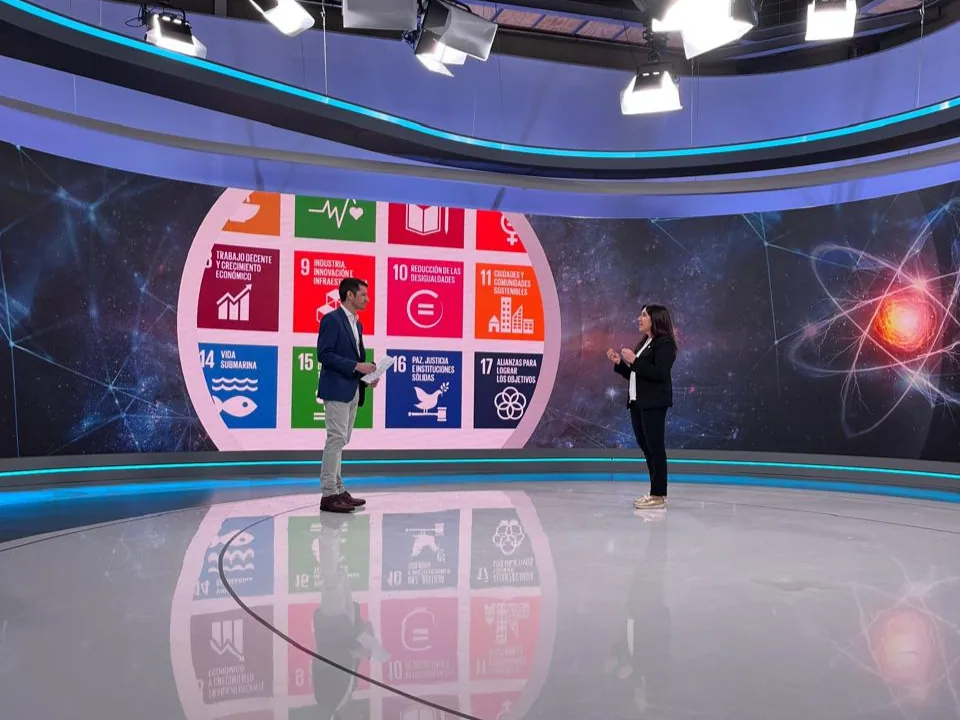
The show is broadcast on free-to-air television, cable, and digital platforms, featuring research from institutions in different regions of the country. Each episode brings together three reports and an in-studio interview between TVN journalist Nicolás Vial and the director of the center or the vice-rector of research of the host university. The episodes air three times a week, and the full episode, as well as each individual segment, remain available on YouTube.
Centro Ciencia & Vida positions Exploradores as the core of its outreach strategy within the framework of the Eureka program, whose main mission is to bring scientific knowledge closer to society and strengthen science education through multimedia communication tools. The seventh, eighth, and ninth seasons of the program demonstrated the reach of the initiative, with an estimated audience of over 21.7 million viewers on free-to-air television, according to the institution's records.
Eleven seasons on screen
For eleven years, Exploradores has brought the work of the country's leading scientific centers of excellence to public television screens, maintaining a team of journalists, producers, and directors throughout this process. According to Pablo Rosenblatt, this team's expertise has been fundamental in turning the highly specialized and technical knowledge of researchers into accessible and engaging stories for the audience. The support of TVN/24Horas, he adds, has been essential to achieving more than a decade on the air.
Pamela Mardones, producer of Exploradores, attributes this longevity to thematic planning, budget optimization, and academic alliances with research centers. The graphic design, editing pace, and thematic focus have been adjusted over time to connect with today's viewers. “Sustaining and managing the project for eleven seasons has been a production challenge and represents a resilience that few outreach formats achieve. Behind each episode, there is high-level multidisciplinary and editorial work that we have been perfecting every year.”
The centers of the 2026 cycle
The new season of Exploradores will feature as main entities the Advanced Center for Electrical and Electronic Engineering, AC3E; the COPAS oceanographic center; Centro Ciencia & Vida; and the Universidad Autónoma de Chile, Universidad de los Andes, and Universidad Andrés Bello, among other institutions from different regions.
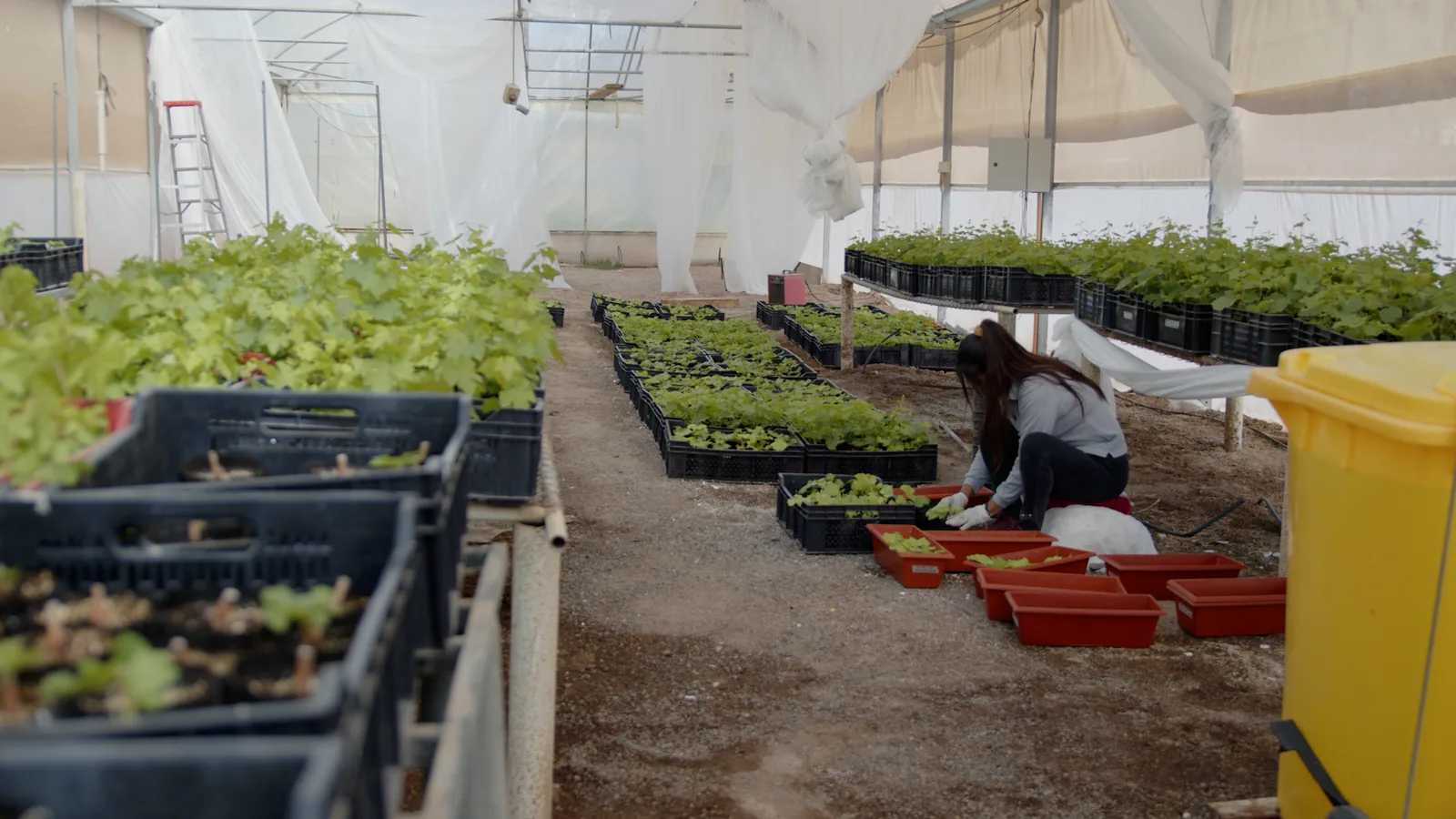
In the north, Universidad Andrés Bello is researching the accumulation of electronic waste in the Atacama Desert. Chile generates between seven and eight kilograms of this waste per person per year, according to Mardones. Centro Ciencia & Vida presents studies on how different signals modulate the cellular mechanisms associated with metastasis, while AC3E addresses industry-related topics. The programming also includes therapies and diagnostic tests for Parkinson's and discoveries in astronomy.
Dating violence is another focus of the cycle, with work developed by Universidad Autónoma on the characteristics of these relationships among school-aged youth. This line is joined by content from sociology-oriented centers and a report on suicide. “The social sciences reflect on what this science is done for, why, and what impact it has,” Rosenblatt states.
From the screen to the classroom
The audience that follows Exploradores is as diverse as its topics, according to the show's production team. The episodes reach young professionals who follow them online and on television, people searching for them on the web, and teachers who take the reports from YouTube and assign them to their students. The entire archive remains on that multimedia platform. “Science is as important as it is distant for the public. Our work has made it possible to get to know it closely and convey its relevance,” says Mardones.
During the pandemic, a project funded by CORFO adapted this content for schoolwork through teaching guides for remote classes, at a time when online educational material on Chilean research was scarce. Today, the production team is working on an initiative to incorporate the reports into the classroom and promote locally produced knowledge within the school curriculum. “The program has helped spark vocations and also improve science education, because the underlying question is what science is being done in Chile and why we do it,” explains Rosenblatt.
The cycle will maintain the coverage of scientific expeditions, a regular feature in its episodes. Pamela Mardones adds that decentralization and the visibility of national scientific work remain the core objectives. “In these eleven years, we have consolidated our position as a bridge to translate complex scientific knowledge into an attractive audiovisual language, without losing rigor. We will continue to travel the country from north to south with technological, scientific, and innovation topics, serving as a window for centers of excellence to connect with the public,” the producer concludes.
Text by Luis Francisco Sandoval, Agencia S&M Comunicaciones.