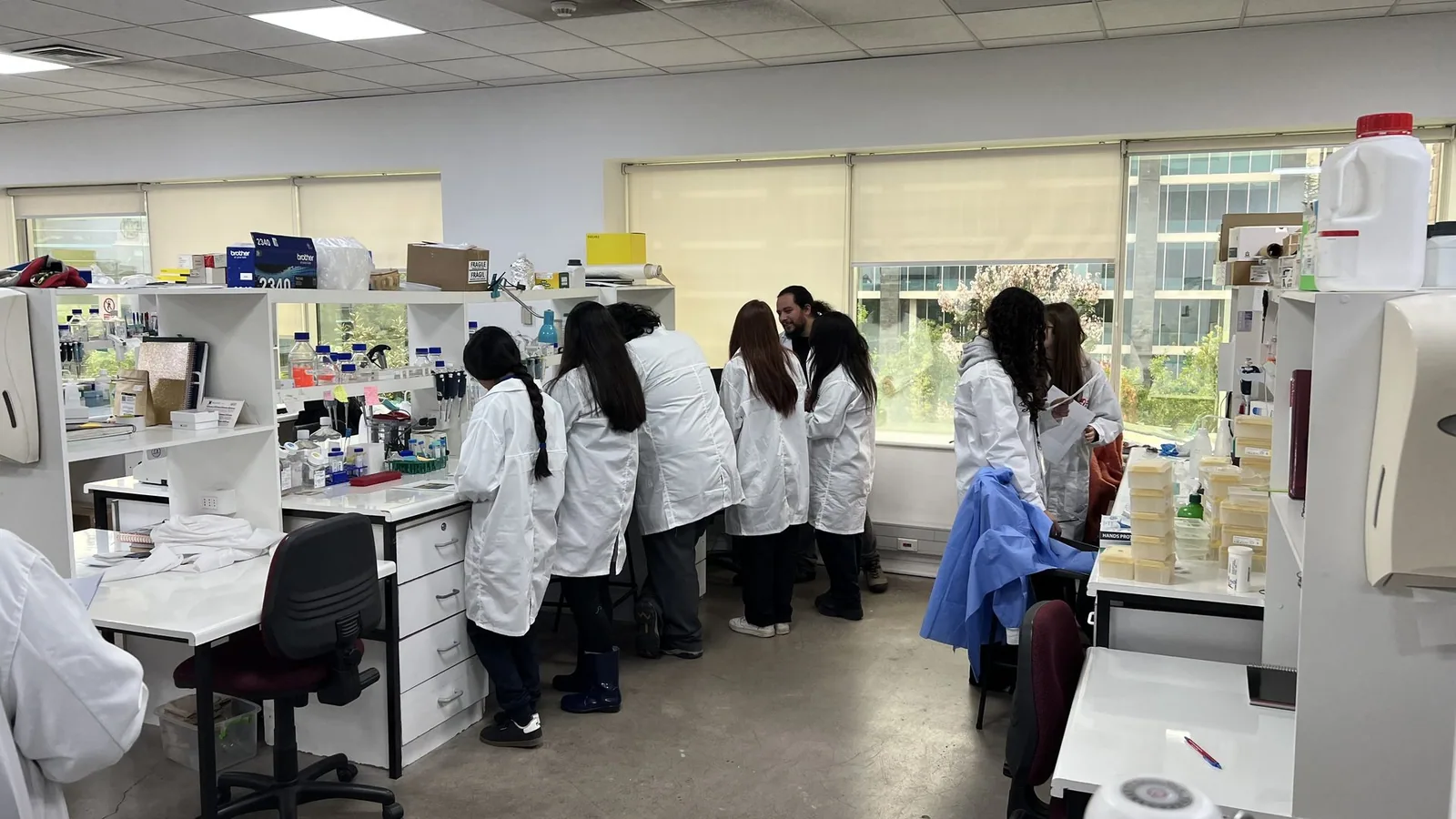

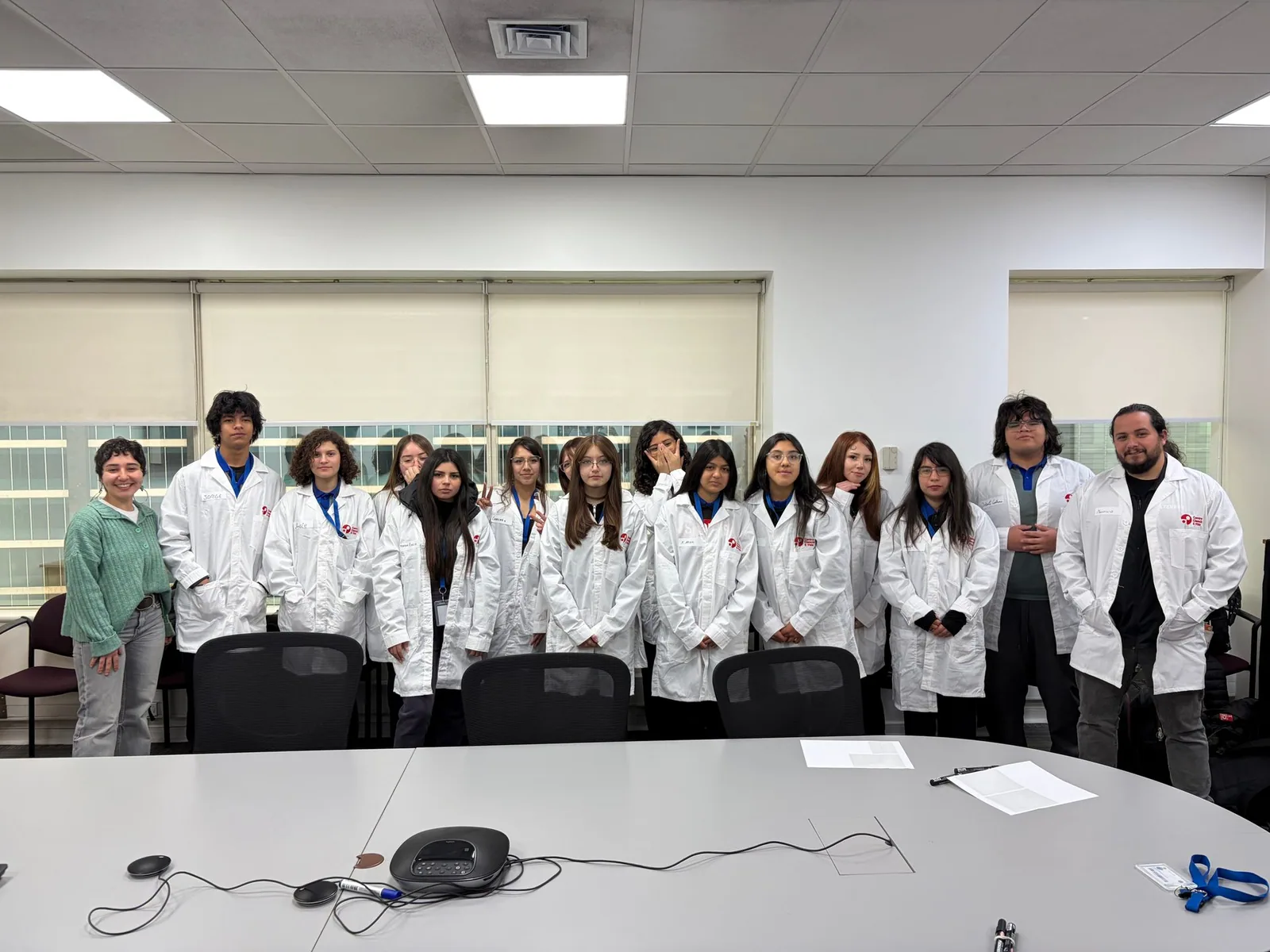
Fifteen students from the Liceo Bicentenario de Excelencia Paul Harris in Padre Hurtado took part in “Truth Hunters: Looking Inside the Laboratory”, an experience that brought them closer to scientific research and to the critical analysis of evidence, as part of Museums, Observatories and Open Laboratories (MOLA) 2026.
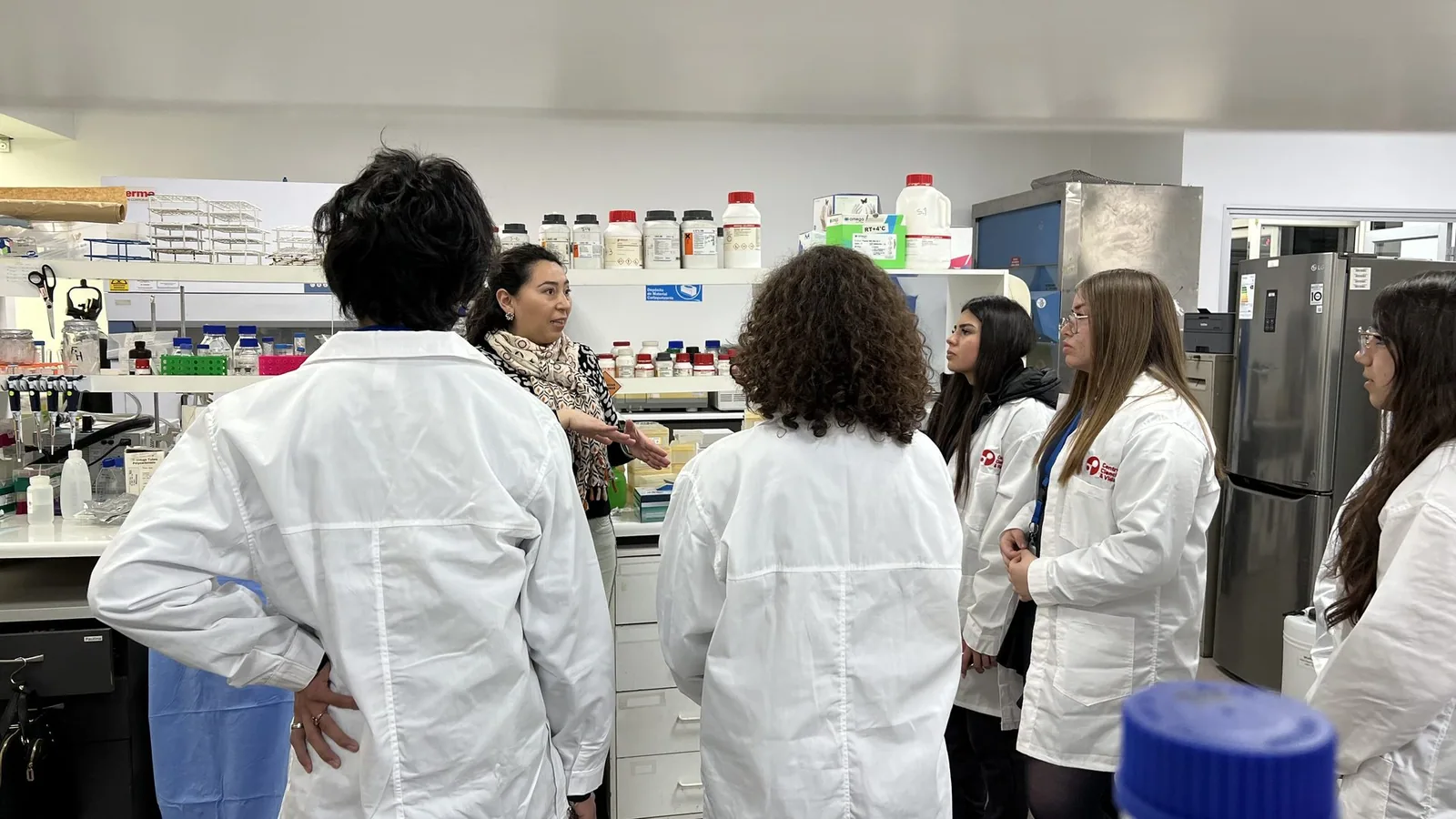
On Tuesday, 6 October, Centro Ciencia & Vida (FCV-USS) opened the doors of its laboratories to 15 first- and second-year secondary students from the Liceo Paul Harris in Padre Hurtado, who took part in the activity “Truth Hunters: Looking Inside the Laboratory”.
The activity was held as part of the 2026 Science and Technology Festival, promoted by the Ministry of Science, Technology, Knowledge and Innovation through the National Research and Development Agency (ANID), and of Museums, Observatories and Open Laboratories (MOLA), an initiative that seeks to bring science, technology, knowledge and innovation closer to children and adolescents through hands-on experiences in places where research is carried out.
Researching, observing and asking questions
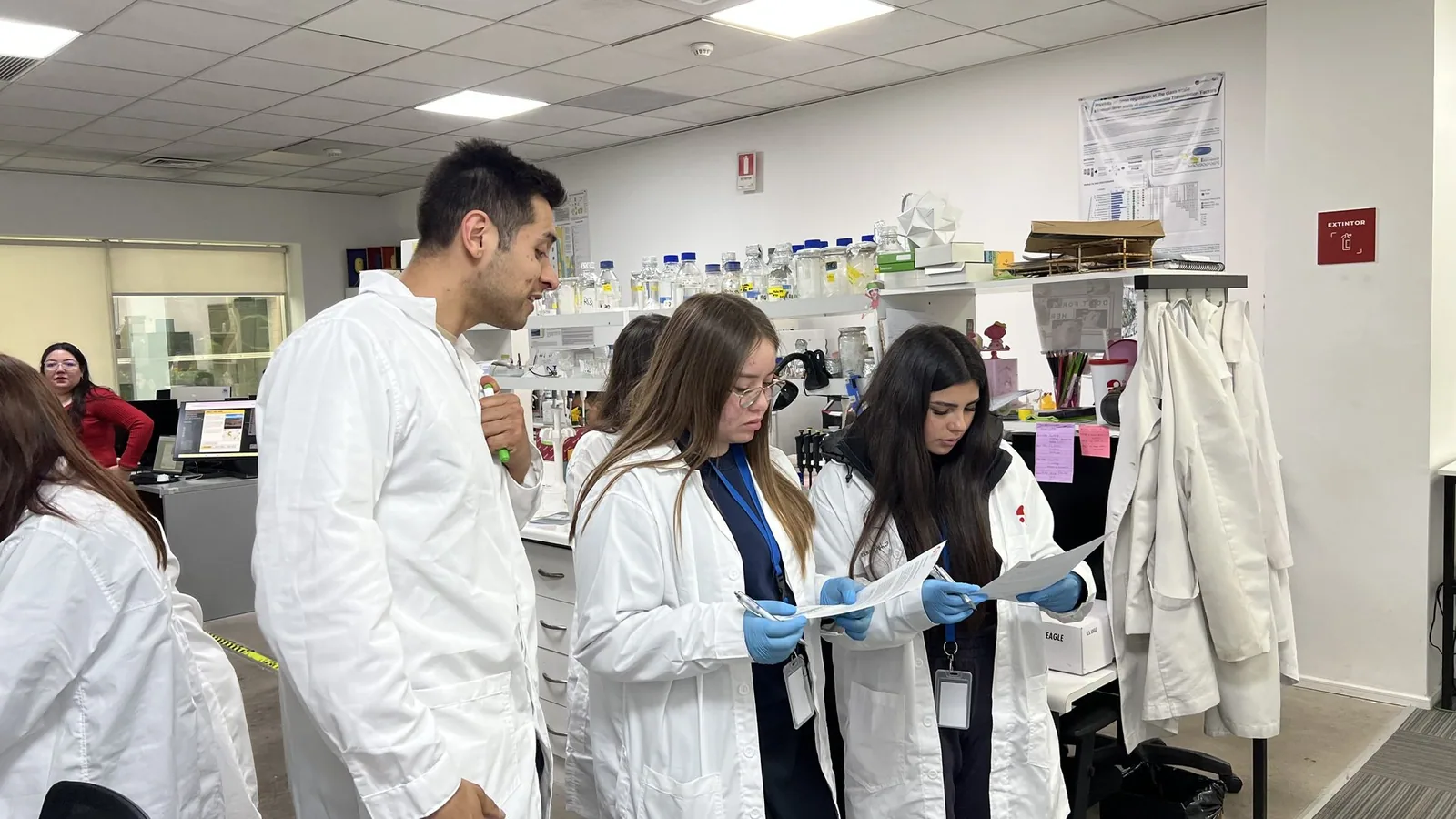
During the day, the students took part in a guided experience designed to show that science is not only about knowing results, but also about observing, recording information, comparing conditions, interpreting evidence, formulating explanations and recognising the uncertainties and limitations that are part of the research process.
The visit included a tour of three research stations in different laboratories of the Basal Centre: Microbial Ecophysiology, Molecular Virology and Bioinspired Artificial Intelligence. At each of them, the participants learned about the questions that guide scientific work, observed different types of evidence and carried out analysis and comparison activities.
In addition, as part of the Molecular Virology station, the participants visited the Microscopy Unit of the Centro Basal Ciencia & Vida, where they saw at first hand some of the tools used to observe and analyse biological structures at scales invisible to the naked eye. The visit complemented the laboratory experience and showed how different technologies support the generation of evidence and the study of biological phenomena.
The experience also included a critical-thinking component on scientific information. Using examples of headlines, social media posts and short messages, the students analysed how to tell conclusions supported by data apart from exaggerated, incomplete or misleading claims. The activity also covered concepts that are essential for interpreting evidence, such as the importance of controls, sample size, replication and variability, as well as the difference between correlation and causation.
In this way, “Truth Hunters” sought to bring young people closer not only to the places where scientific knowledge is produced, but also to the tools that help them understand how that knowledge is built and to critically assess how its results are communicated.
The participation of Centro Ciencia & Vida (FCV-USS) in MOLA, one of the initiatives of MinCiencia’s 2026 Science and Technology Festival, adds to its outreach and community engagement activities, which aim to bring scientific research closer to school audiences and to foster new vocations by encouraging an interest in science through direct contact with the people who do it.