
The National Institute of Industrial Property of Chile (INAPI Chile), in collaboration with the World Intellectual Property Organization (WIPO), Licensing Executives Society International (LESI), Licensing Executives Society Chile (LES CHILE), and the Network of Technology Managers of Chile (RedGT), organized the seminar “Collaboration and Technology Transfer between Universities and the Private Sector”, which brought together key players from the innovation ecosystem to promote dialogue and alliances.
The National Institute of Industrial Property of Chile ( INAPI Chile ), in collaboration with the World Intellectual Property Organization ( WIPO ), Licensing Executives Society International ( LESI ), Licensing Executives Society Chile ( LES CHILE ), and the Network of Technology Managers of Chile ( RedGT ), organized the seminar “Collaboration and Technology Transfer between Universities and the Private Sector” , which brought together key players from the innovation ecosystem to promote dialogue and alliances between universities, research centers, and companies.
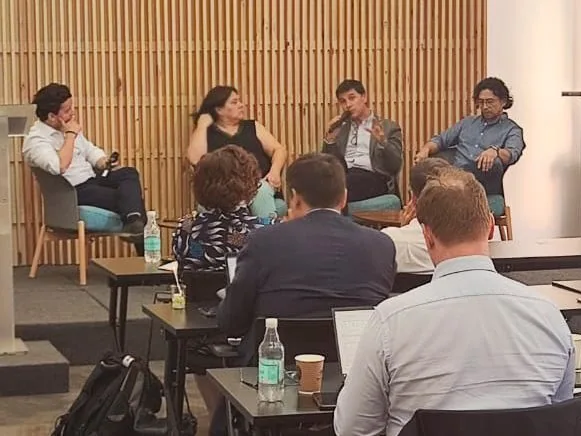
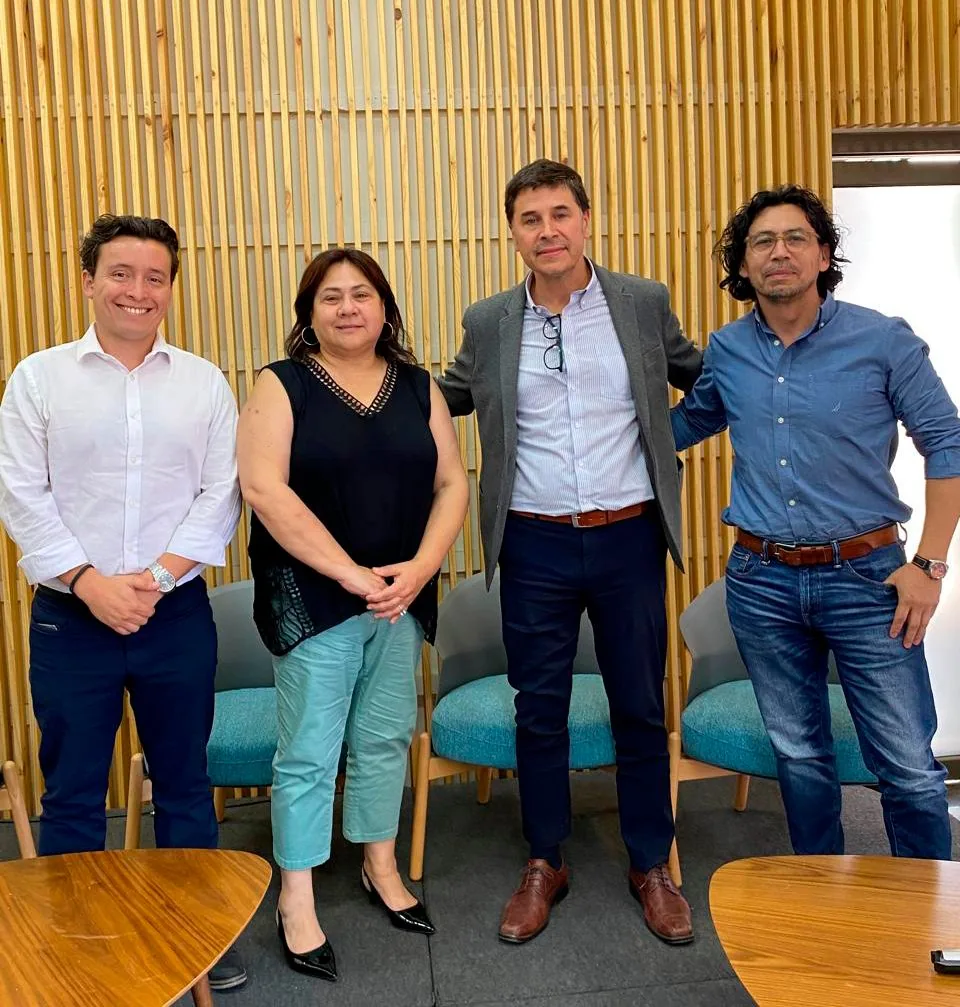
In this context, Dr. Álvaro Martínez, Director of Intellectual Property and Technology Transfer at the Fundación Ciencia & Vida (FCV) and academic at the Faculty of Medicine and Science of the Universidad San Sebastián (USS), participated in the panel “Transfer Crossing Borders: Internationalization and Best Practices in Technology Transfer, International Experiences”, where he shared and delved into the technology transfer experience of the FCV, “particularly regarding all those elements that have been virtuous when connecting academia and fundamental science research with the private sector, through the creation of ventures and Science and Technology-Based Companies (EBCT) in biotechnological and biomedical niches,” he explained.
Thus, “one of these elements that has played a relevant role as a seminal catalyst in the academia-industry technology transfer chain has clearly been the incorporation of key content on innovation—training on intellectual property and business—at the beginning of more applied doctoral programs, as we have done for years in the Doctoral Program in Biotechnology and Bioentrepreneurship, where doctoral students have been able to conduct their theses directly in the industry, as well as generate bio-ventures based on new technologies,” Martínez elaborated.
Also present at the meeting was Javier Guerrero, from Merken Biotech , a national biotechnology venture that offers R&D and innovation services in areas such as biomedicine and biotechnology. The company, which belongs to the Business Park of the Fundación Ciencia & Vida and is recognized for its expertise in bioprocesses and product development with social impact, shared its experience in technology transfer and international collaboration, highlighting its commitment to innovation and sustainable development.
The seminar addressed other relevant topics to enhance the impact of technology transfer processes in the national innovation ecosystem, such as: the program and support resources for life sciences innovation developed by WIPO; the key role of OTLs, CATIs, and transfer Hubs in the creation of university spin-outs; the valuation of academic technologies through effective licensing management, freedom-to-operate analysis, and collaborations; the relevance of technology intelligence and the strategic use of information contained in patent databases; and the challenges ahead for future academia-industry alliances.
Dr. Martínez's participation underscores the commitment of the Centro Ciencia & Vida of the USS to developing capabilities that drive the generation of fundamental and applied knowledge, the leveraging of intellectual and industrial property assets, and scientific innovation with a real impact on society.