
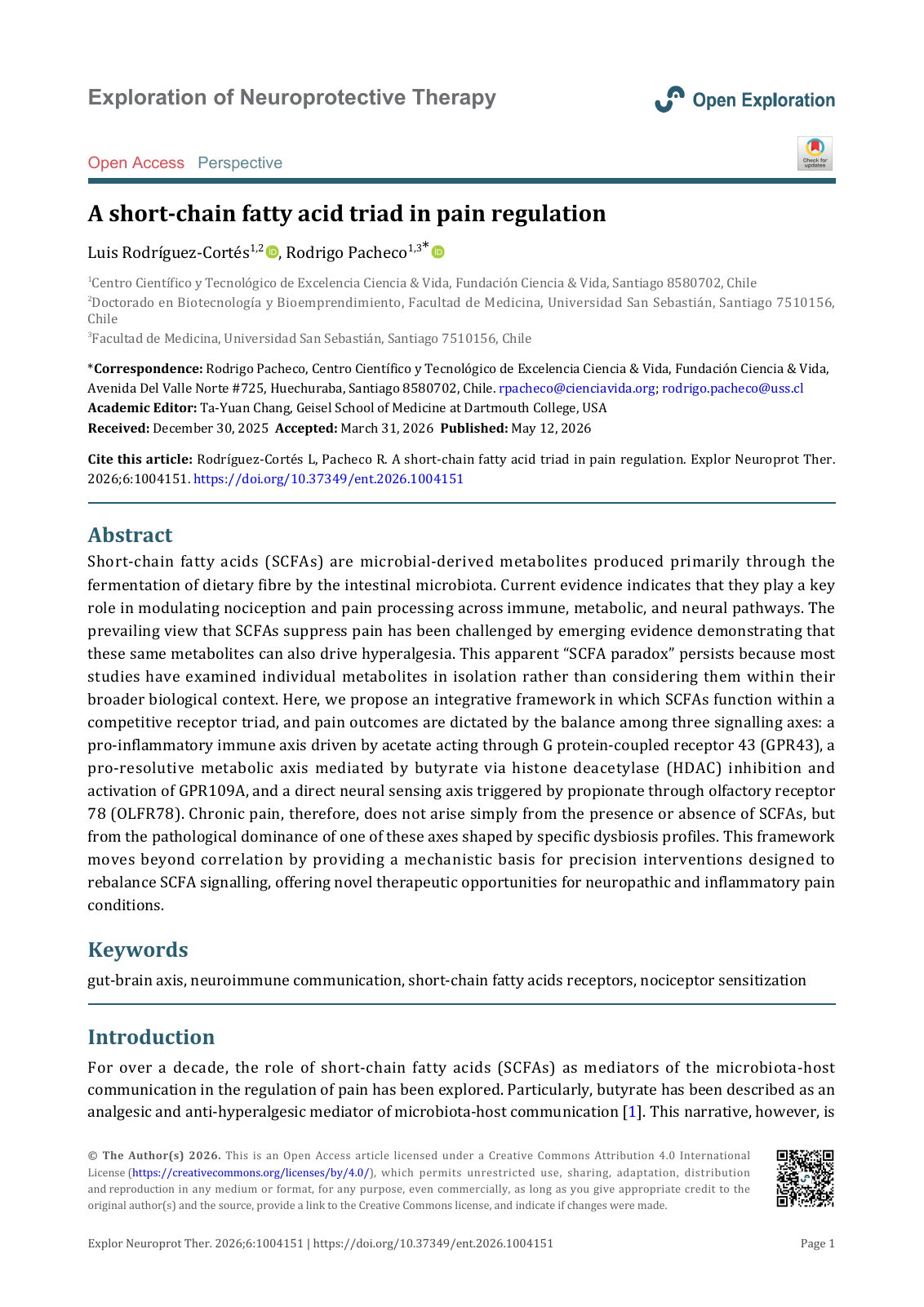
2026 · Exploration of Neuroprotective Therapy
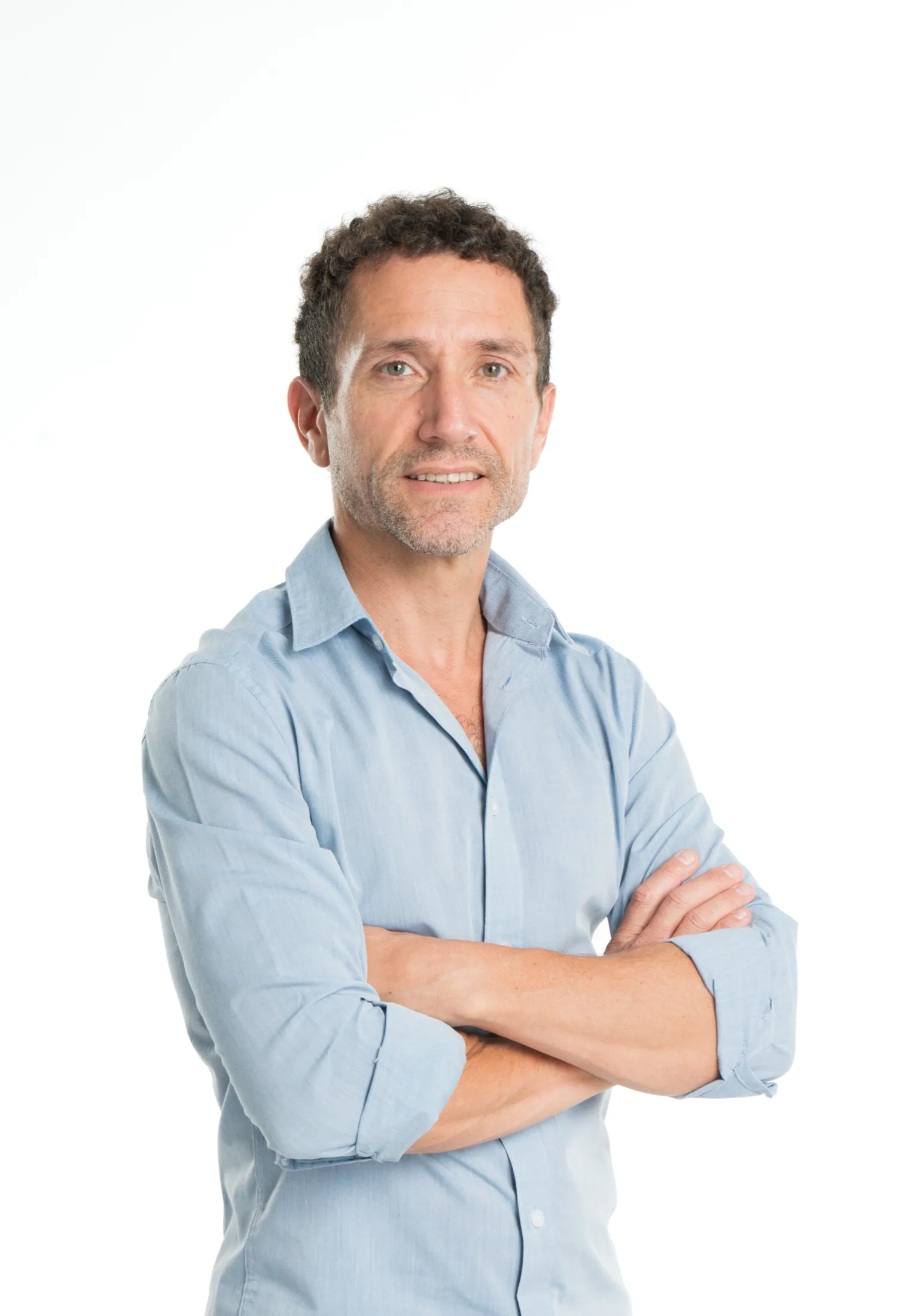
Biography
Dr. Rodrigo Pacheco earned his Biochemistry degree from Pontificia Universidad Católica de Chile in 2001, receiving top honors in his class. His thesis focused on the mechanism of action of urushiol allergens. He later pursued a PhD in Molecular Neurobiology at Universitat de Barcelona, where he studied how glutamate and adenosine deaminases modulate human dendritic cells and CD4+ T-cell function. His thesis was recognized as high-impact research by the university, and he earned his doctorate in 2006.
Upon returning to Chile, Dr. Pacheco completed postdoctoral training at Pontificia Universidad Católica de Chile, investigating the role of Fc-gamma receptors in dendritic cells, particularly in autoimmune and infectious disease contexts.
In 2008, he established the Laboratory of Neuroimmunology at Centro Ciencia & Vida. His research focuses on understanding how dopamine regulates neuro-immune interactions. His team explores the role of dopamine in autoimmune diseases, cancer, neurodegenerative disorders, and behavior, aiming to reveal novel therapeutic pathways. Through his interdisciplinary approach, Dr. Pacheco has become a key figure in advancing neuroimmunology in Chile.
Associated research clusters
Inflammation, Autoimmunity and Immune Intervention
Aims to elucidate key mechanisms of immune regulation across tissues in health and disease to identify biomarkers and targeted immunotherapies for inflammatory and autoimmune disorders.
Explore research cluster
Neurodegeneration, Tissue Repair and Therapies
Aims to identify the stress, neuroimmune, and fibrotic mechanisms underlying neurodegeneration and tissue damage to support the development of innovative therapeutic strategies.
Explore research cluster
Institutional videos
Selected publications
2026 · Renal Failure
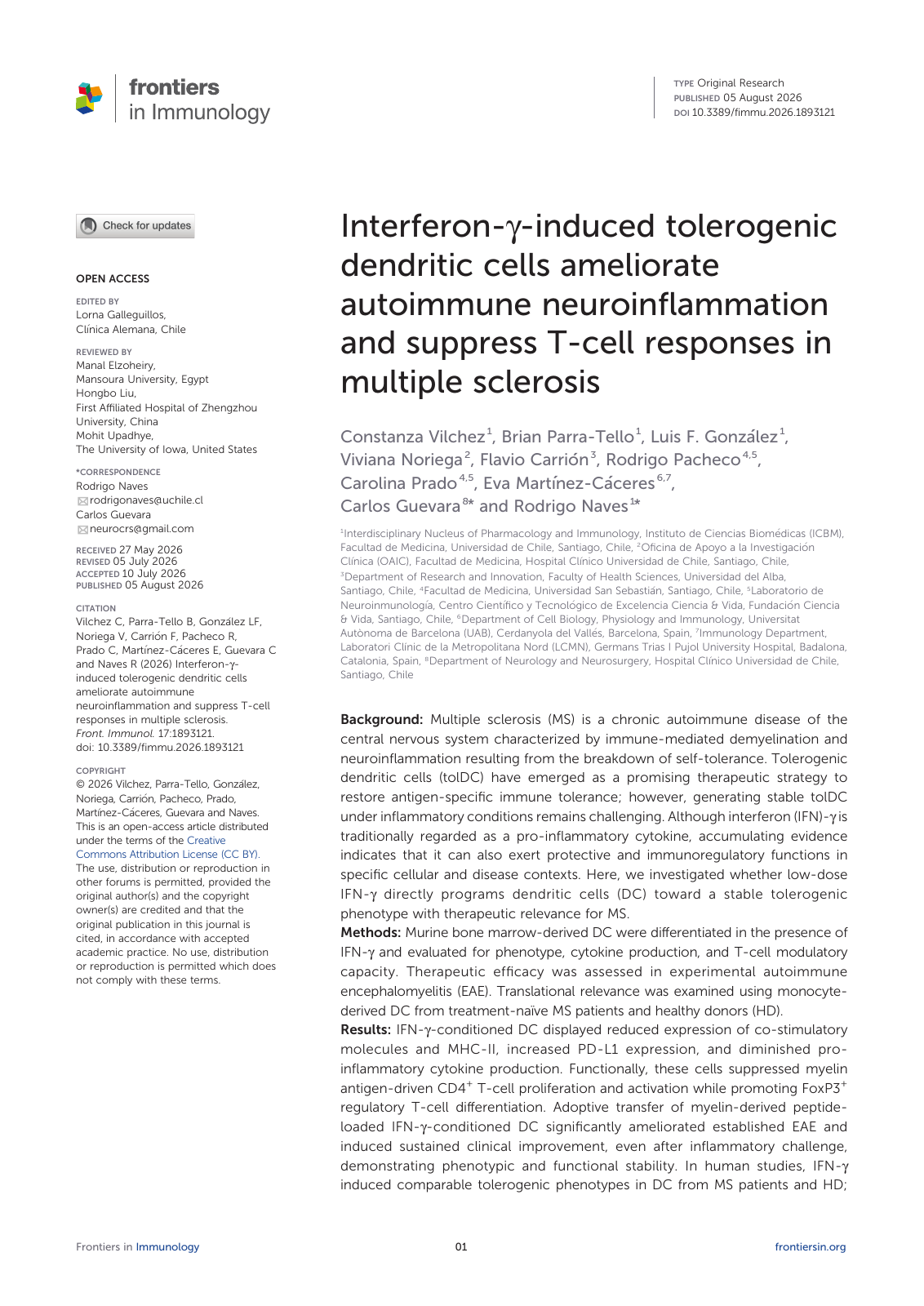
Loss of NGAL protects against albumin-induced kidney inflammation and fibrosis
2026 · Cell Reports Medicine