

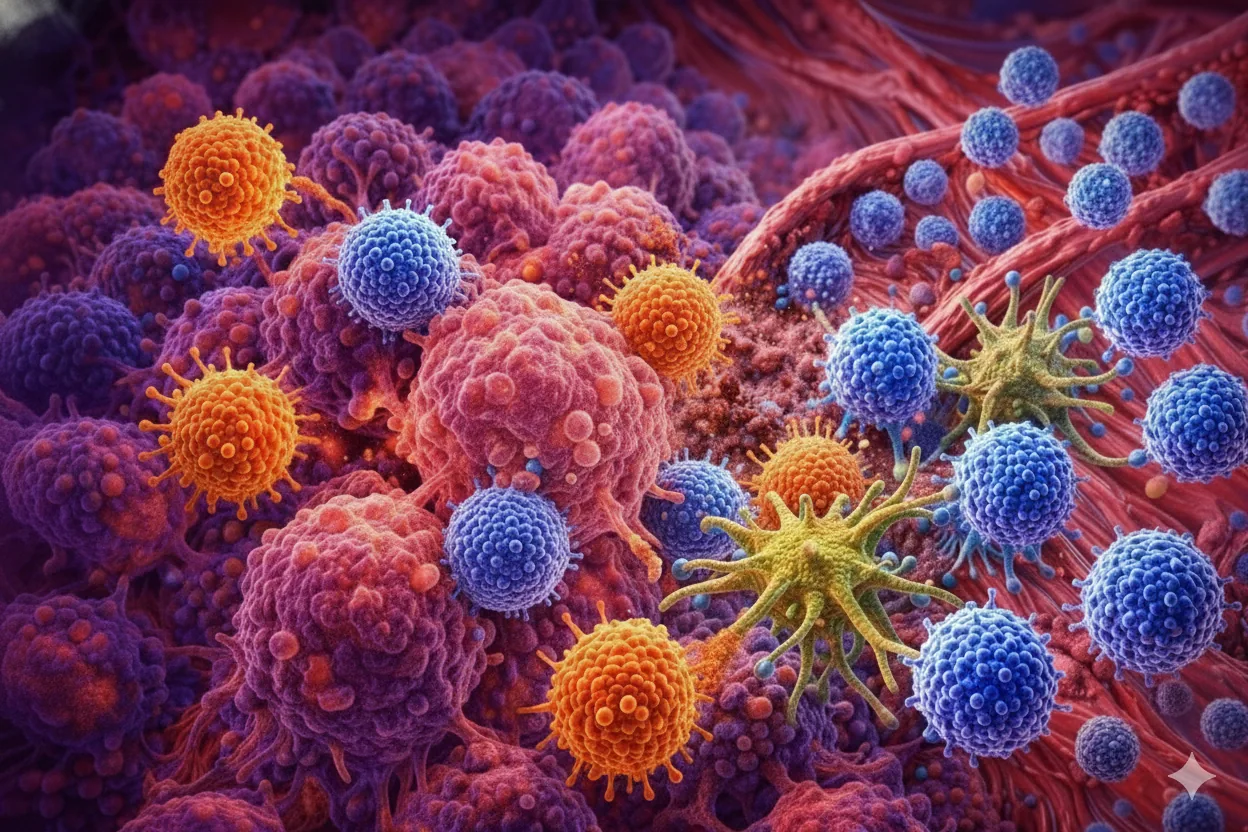
The research, conducted at the Immunoncology Laboratory of the Centro Ciencia & Vida and published in Nature Communications, identified a mechanism that could help improve cell therapies against solid tumors and shows that chemotherapy regimens used to “prime” the patient before cell therapy can prevent the generation of a durable immune response necessary to avoid tumor recurrence.
A new study led by the team of Dr. Álvaro Lladser, director of the Centro Basal Ciencia & Vida (FCV-USS) and academic at the Universidad San Sebastián, identified a mechanism that could help improve cell therapies against solid tumors and explain why they fail to maintain long-term effectiveness when applied alongside prior chemotherapy, a standard procedure in current clinical protocols.
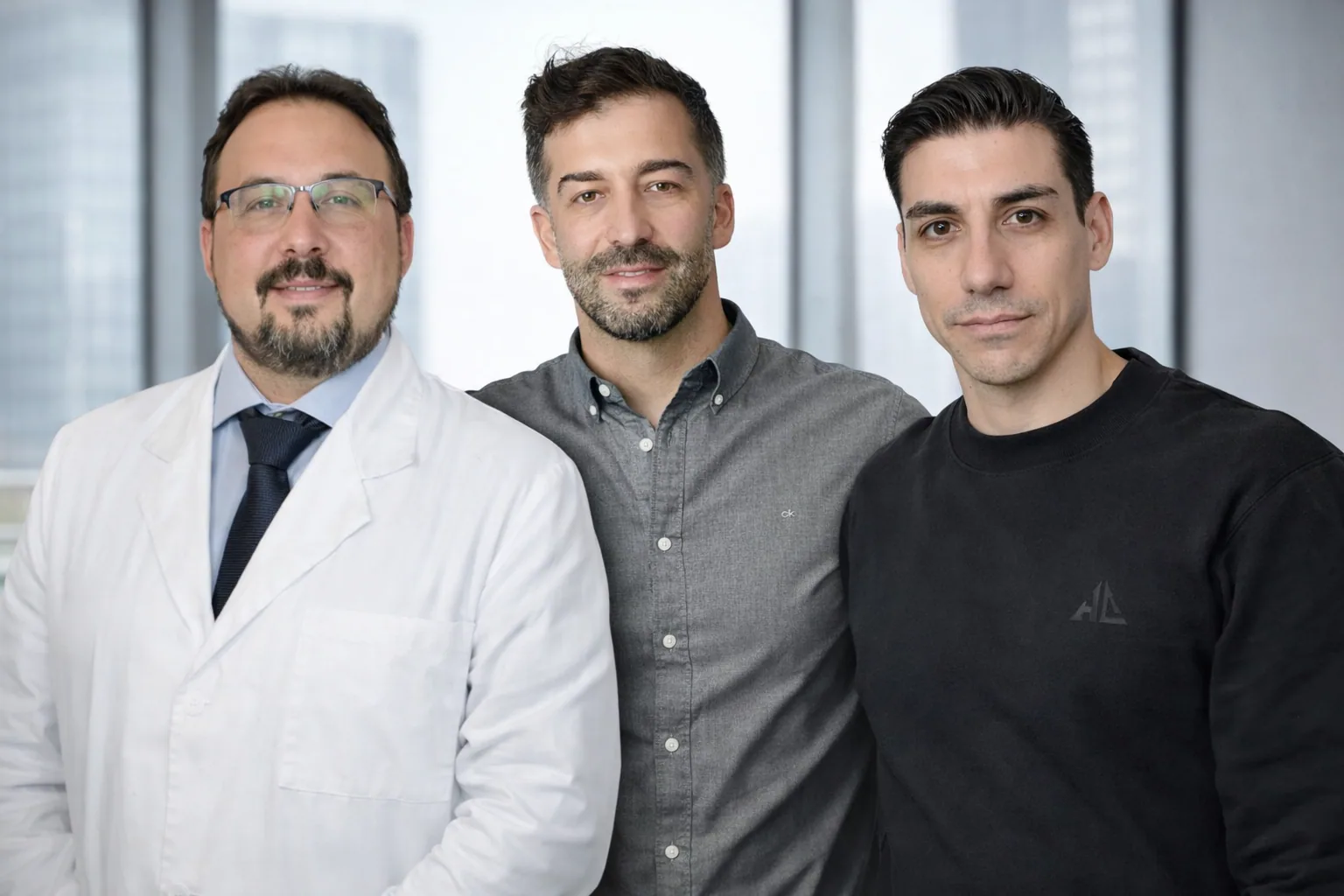
The research, published in Nature Communications , was conducted by postdoctoral researcher Dr. Diego Figueroa and co-led by Dr. Vincenzo Borgna, who evaluated in murine models how these therapies interact with the patient's own immune system. According to Dr. Lladser, the work established two main findings. First, that cell therapies need to activate the patient's immune system to effectively eliminate solid tumors and generate lasting protection. Additionally, that the chemotherapy typically administered before this type of treatment can weaken that immune response and favor cancer recurrence.
Cell therapies, also called adoptive cell therapies, use the patient's T lymphocytes to fight the disease. These T lymphocytes, a type of white blood cell, are extracted from the blood or directly from the tumor, activated and multiplied in the laboratory to increase the number of cells with antitumor capacity, and then reinjected into the patient. In some more advanced therapies, such as CAR-T, these lymphocytes are also genetically modified to incorporate a synthetic receptor called CAR, the acronym for Chimeric Antigen Receptor, which allows them to identify cancer cells with much greater precision.
These treatments have already been approved by the FDA, the U.S. regulatory agency responsible for authorizing medications and medical therapies, due to their high efficacy in several types of hematological cancer. However, despite these advances, cell therapies have shown limited efficacy against solid tumors. Furthermore, in many cases, after a promising initial response, the cancer can reappear and become resistant to treatment.
One of the key points of the study was to analyze how the immune system is modified after receiving treatment. Currently, before administering cell therapy, patients receive a lymphodepletion regimen—that is, a prior chemotherapy that seeks to eliminate immune cells and create space for the administered T lymphocytes to survive and expand. However, results in murine models showed that while this strategy improves the initial response, it also eliminates the immunological memory necessary to maintain the long-term antitumor effect. This favors cancer recurrence through the growth of therapy-resistant tumor cells.
For Dr. Diego Figueroa, the new finding does not imply abandoning the preparation prior to cell therapy, but rather redesigning it. The proposal is to make it more targeted: instead of a global elimination of immune cells, it suggests focusing the intervention on populations that favor tumor growth, while simultaneously preserving memory T lymphocytes and dendritic cells, which play a key role in activating and sustaining the immune response.
“The challenge is not only to achieve a good initial response but to ensure that this response is maintained over time,” says Dr. Lladser. In this context, the researchers propose leveraging the immune memory that already exists in the patient to enhance the effect of cell therapies and reduce the risk of relapse.
Durable responses
The work also delves into a previous finding from Figueroa's doctoral thesis, in which he described a mechanism capable of explaining why some cell therapies achieve durable responses. The researcher discovered that the T lymphocytes administered as treatment activate dendritic cells within the tumor via the cytokine TNF (tumor necrosis factor), a signaling molecule that immune cells use to communicate and coordinate inflammatory and antitumor responses.
As a result, these dendritic cells capture tumor fragments and migrate to the lymph nodes, where they trigger a second wave of memory T lymphocytes capable of mounting a more powerful and durable response. When evaluating what happened to that memory after lymphodepletion, the team found a striking result: the chemotherapy used at that stage eliminates a large part of the generated immune memory and weakens the body's ability to sustain an effective antitumor response over time. ________ Figueroa, D., Vega, J.P., Hernández-Oliveras, A. et al. Lymphodepleting preconditioning impairs host antitumor immunity induced by adoptive T cell therapy in mouse models. Nat Commun (2026). https://doi.org/10.1038/s41467-026-71082-y
Text by Richard García de Sandoval & Meirovich Comunicaciones.