

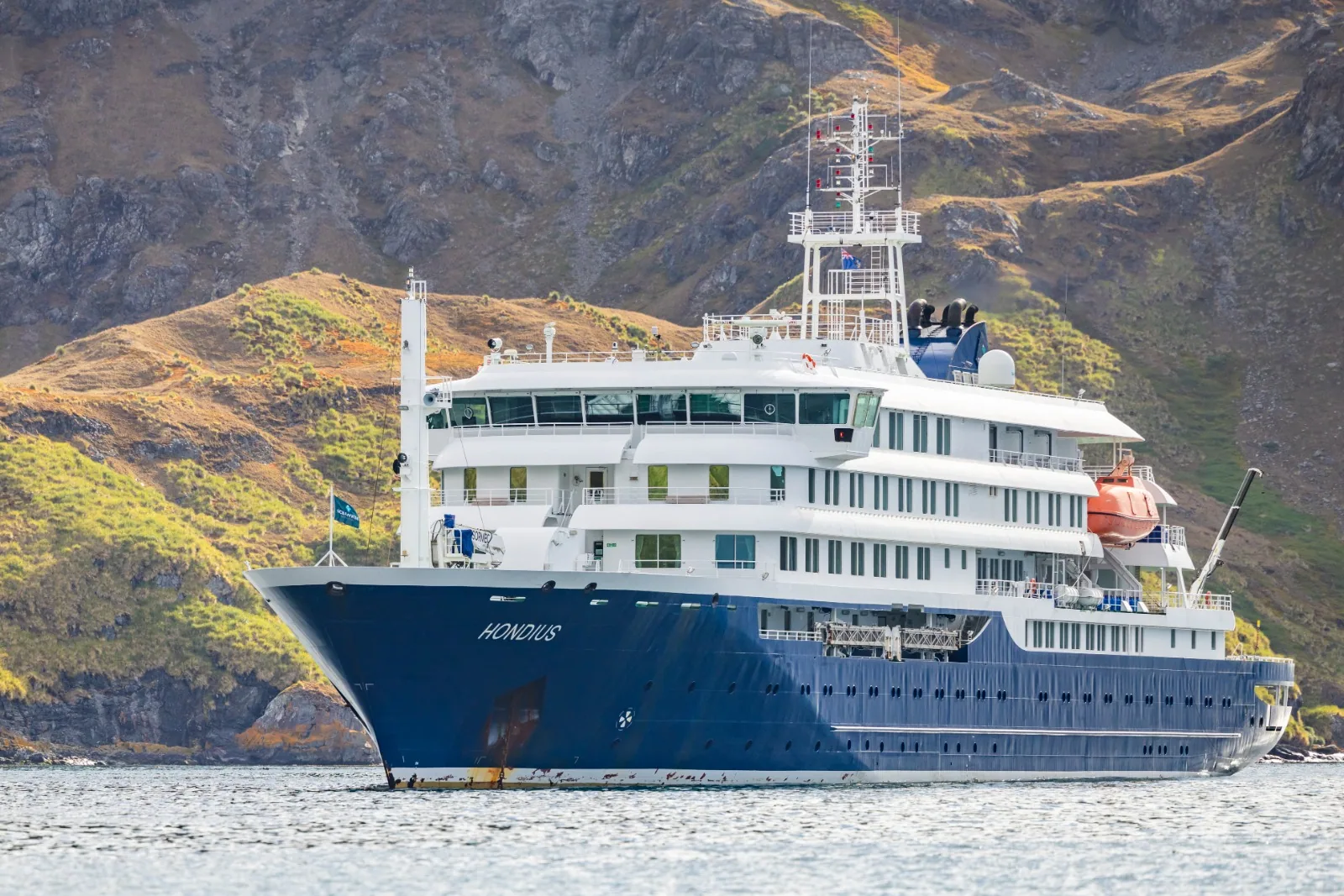
Nicole Tischler, researcher at Centro Ciencia & Vida and academic at the Faculty of Medicine of Universidad San Sebastián, participated in the international research that led to two studies in Science. The papers document human-to-human transmission of the Andes virus during the voyage and link the outbreak virus to a lineage that had been circulating for years in Argentine Patagonia.
Dr. Tischler directs the Molecular Virology Laboratory at Centro Ciencia & Vida (FCV-USS), where she studies the structure-function of hantaviruses and the mechanisms that allow them to enter and exit cells.
The spread of the virus among passengers and crew members of the M/V Hondius, and the location where the initial infection occurred, mobilized researchers, laboratories, and public health institutions from various countries following the first cases of hantavirus cardiopulmonary syndrome recorded in April of 2026. The research results are presented in two complementary studies published on November 12 in the journal Science .
From Chile, the teams led by Nicole Tischler and doctoral student Dianne Díaz from Centro Ciencia & Vida and the Faculty of Medicine of Universidad San Sebastián, alongside the teams of Jenniffer Angulo and Marcela Ferrés from Pontificia Universidad Católica de Chile, collaborated with the international consortium that responded to the outbreak. They contributed expertise in the study of Andes virus and knowledge of its clinical, epidemiological, and genetic characteristics, which helped contextualize and discuss the findings.

Reconstructing transmission during the voyage
The M/V Hondius set sail from Ushuaia, Argentina, on April 1, 2026, with 147 passengers and crew on board. The investigation identified 13 cases associated with the outbreak, 12 of which were laboratory-confirmed and one probable. Three of the infected individuals passed away.
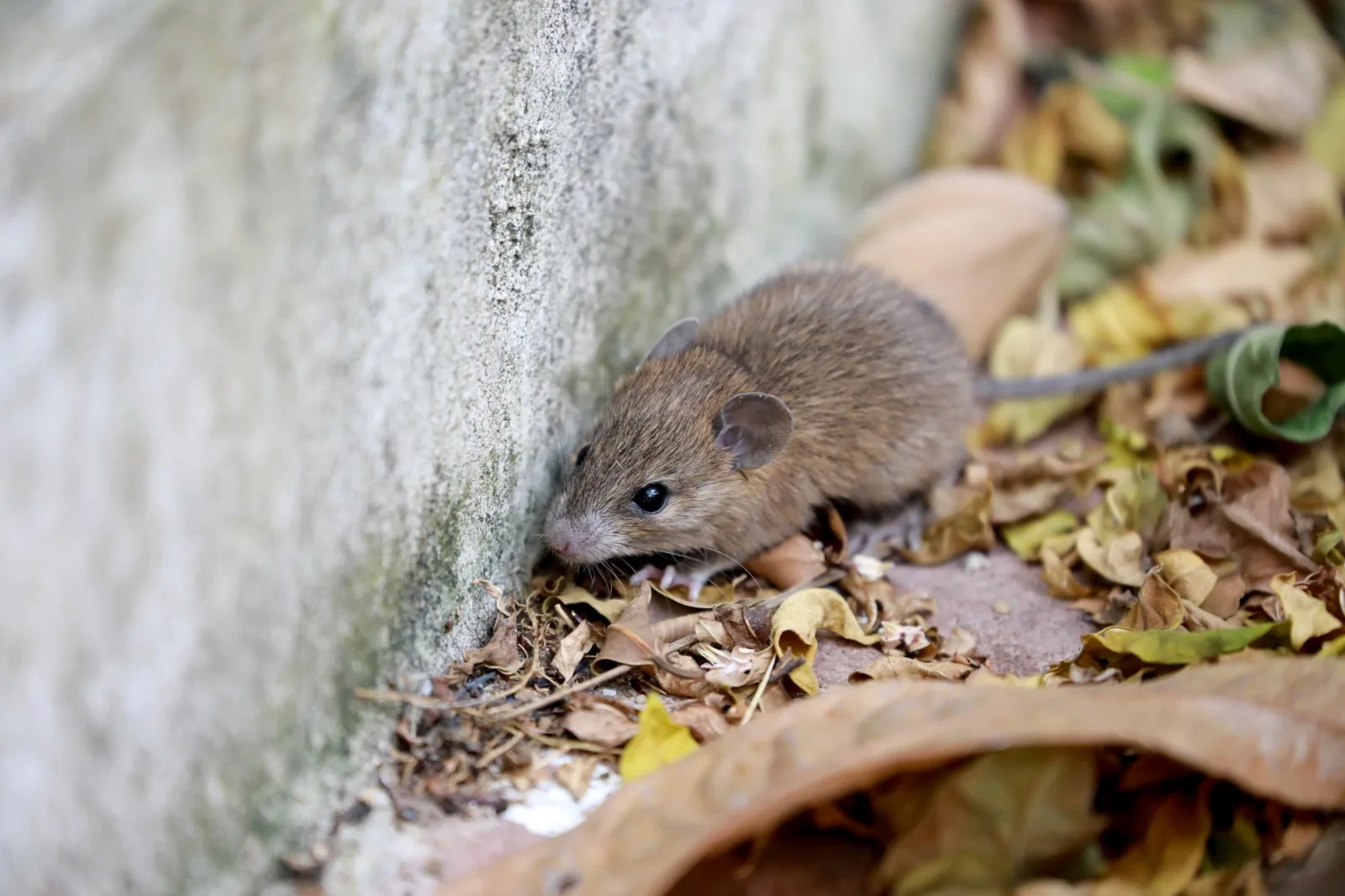
Hantaviruses are almost always contracted by inhaling aerosols from wild rodent feces, urine, or saliva, and Andes virus is the only one known to also transmit between people through close contact.
The first study combined symptom onset dates, documented person-to-person contacts, and a comparison of Andes virus genomic sequences obtained from different patients, generated by laboratories in seven countries. When analyzed alongside epidemiological background data, the team found robust evidence of person-to-person transmission during the voyage.
The virus associated with the outbreak was closely related to previously described Andes virus variants, and genomic analyses provided no evidence of increased transmissibility.
Genetic history and lingering questions
The second study examined the relationship between the cruise-associated virus and Andes viruses previously detected in northern Argentine Patagonia. Analysis of historical cases and sequences from the 2018–2025 period documented the circulation of a related lineage years before the outbreak.
However, reconstructing the travel history of the early cases through Chile and Argentina did not determine where or how the initial infection occurred. While genetic relatedness provided insight into the evolutionary history of the virus, it was not sufficient to pinpoint the exposure site, underscoring the need to interpret genomic data alongside travel history and infection-to-symptom intervals.
“Stronger together”: The power of working together
The research brought together capabilities from institutions across South America, Europe, North America, and Africa. The World Health Organization (WHO) helped coordinate information sharing and public health investigations among the affected countries. The teams compared methods and jointly reviewed genetic differences to distinguish viral variations from potential technical discrepancies.
“No single laboratory could have told this story on its own,” noted Gustavo Palacios, professor of Microbiology at the Icahn School of Medicine at Mount Sinai, in the consortium’s joint statement. “What made the difference was our ability to pool that knowledge, question our own assumptions, and independently verify the evidence. That allowed us to build a more robust and reliable view of what happened.”
Nicole Tischler also contributed to the scientific response to the outbreak as president of the International Society for Hantaviruses, which collaborated on a World Health Organization call for an international scientific consultation on medical countermeasures for Andes virus to define research priorities. Additionally, she co-authored an article in The Lancet regarding research coordination from the Southern Cone during the emergency, a paper that also involved researcher Gustavo Palacios.
“Chile and Argentina placed their expertise in hantavirus at the world’s service during the outbreak,” Dr. Tischler pointed out. That spirit of collaboration — stronger together — is built on years of research and scientific networks that enable a response to cross-border health emergencies.
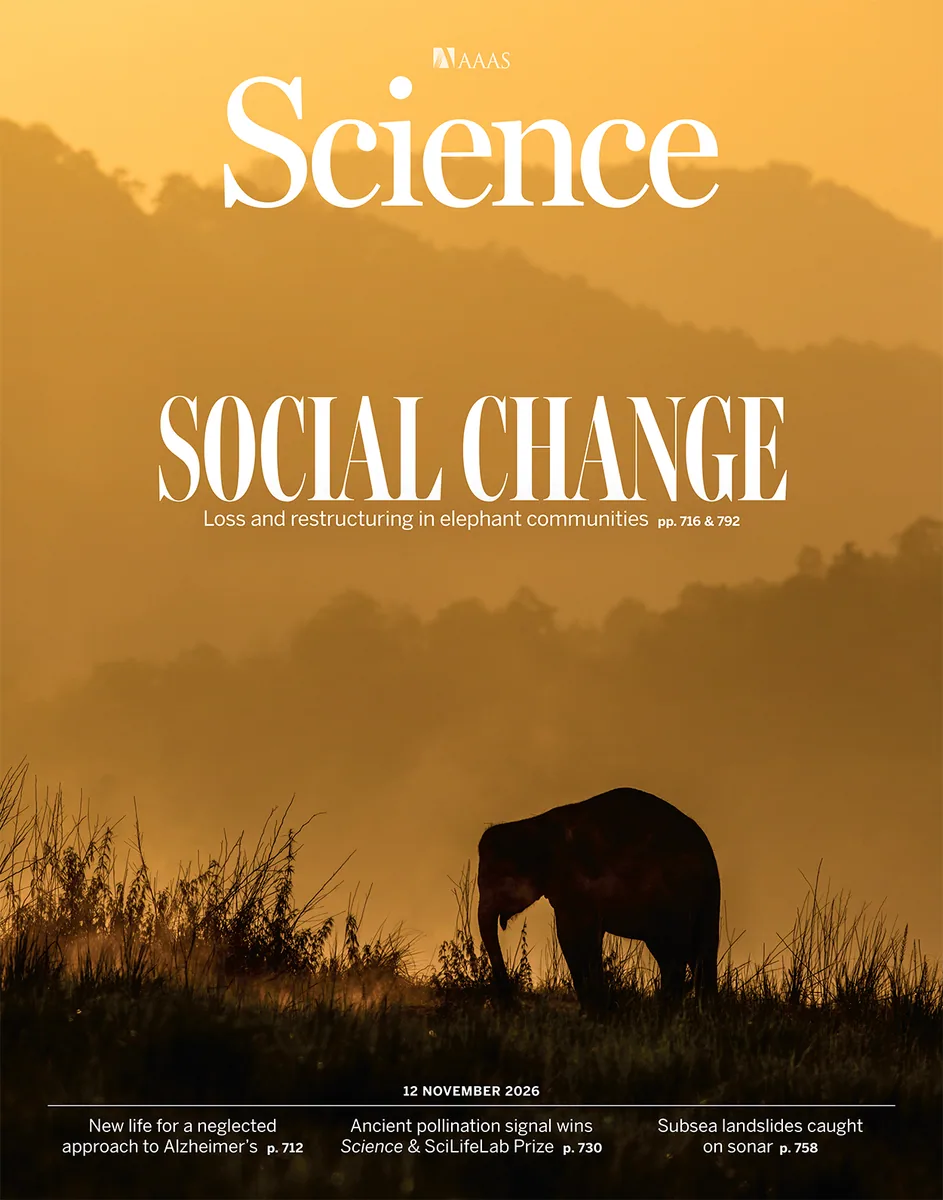
About the studies
Study 1
Hantavirus pulmonary syndrome outbreak linked to cruise ship travel in April–May 2026
Manuscript aej1376
https://www.science.org/doi/10.1126/science.aej1376
Study 2
Long-term local circulation of an Andes virus lineage in northern Patagonia is linked to the M/V Hondius outbreak
Manuscript aej1679
https://www.science.org/doi/10.1126/science.aej1679
Editorial note
Adaptation of the consortium’s joint statement.