
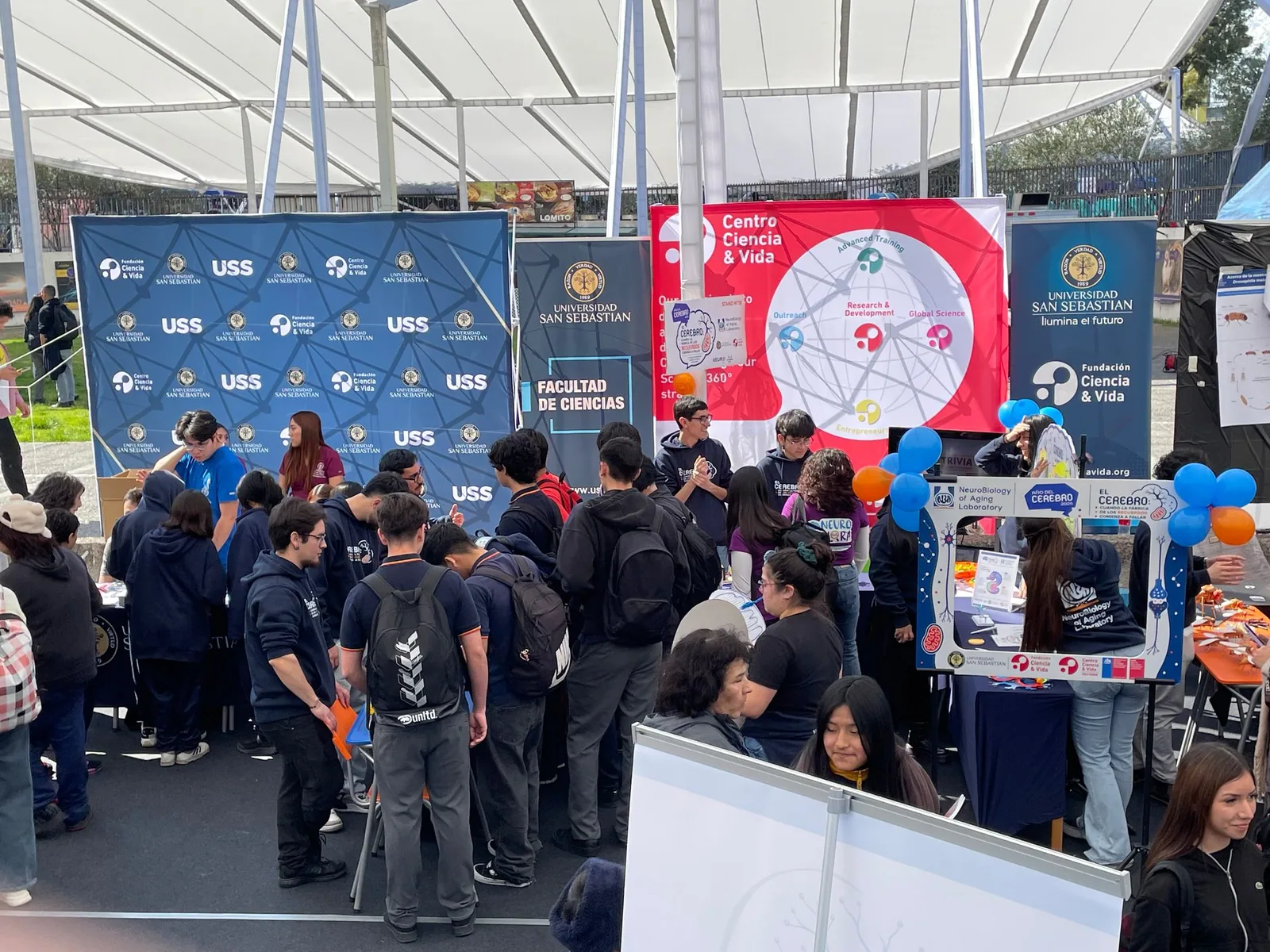
Dr. Cheril Tapia and Dr. Mónica Otero, researchers at Centro Ciencia & Vida (FCV-USS) and faculty members at Universidad San Sebastián, took part with two interactive stands in NeuroFest 2026, an event that brought together organisations and initiatives to share knowledge about the brain and neuroscience with audiences of all ages.
How does our brain work? What happens to memory as we age? How are our senses related to the electrical signals produced by brain activity? These were some of the questions that Dr. Cheril Tapia and Dr. Mónica Otero explored interactively at NeuroFest 2026, held on 4 and 5 September at the Universidad de Santiago de Chile (Usach).
The event aimed to promote neuroscience literacy and to create a space where this knowledge could be explored and enjoyed by the community, linking it to areas such as education, mental health and brain care.
Centro Ciencia & Vida (FCV-USS) took part with two proposals that, from different approaches, allowed the public to learn about and experience some of the processes studied by neuroscience.
When the brain’s memory and energy begin to change
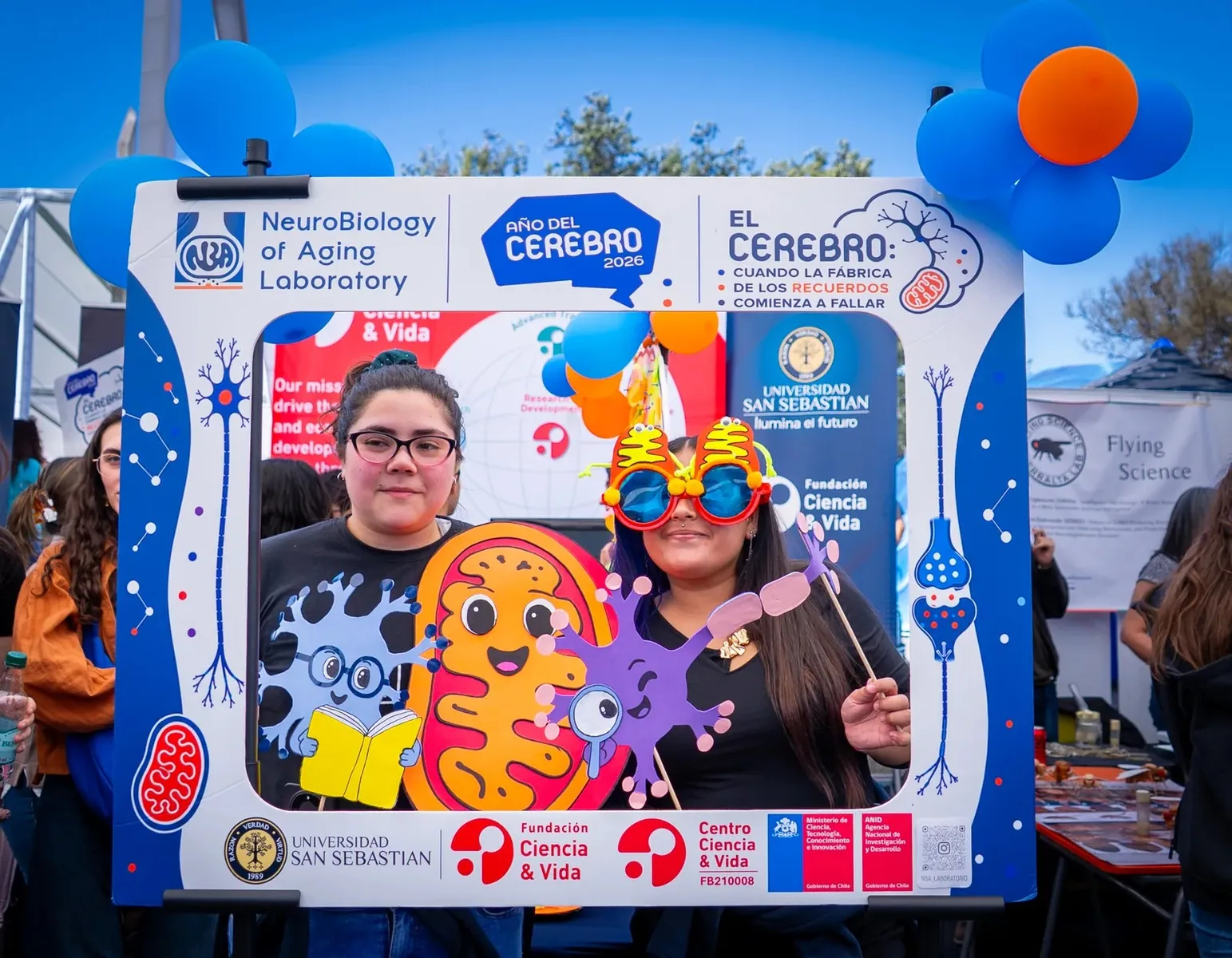
Dr. Cheril Tapia, principal investigator at Centro Ciencia & Vida and faculty member at Universidad San Sebastián, took part with the stand “The BRAIN: When the memory factory starts to fail”, developed by the Laboratory of Neurobiology of Aging.
Through games, interactive activities and scientific experiences, children, young people and adults learned how aging affects memory, neurons and energy production in the brain, with a particular focus on the role of mitochondria, cellular structures that are essential for neuronal function.
The proposal translated complex biological processes into familiar, understandable experiences, helping audiences of different ages approach scientific questions about brain aging and memory.
Dr. Tapia’s research focuses precisely on understanding the cellular and molecular mechanisms associated with aging and with the changes the nervous system undergoes over time.
Senses, signals and brain rhythms
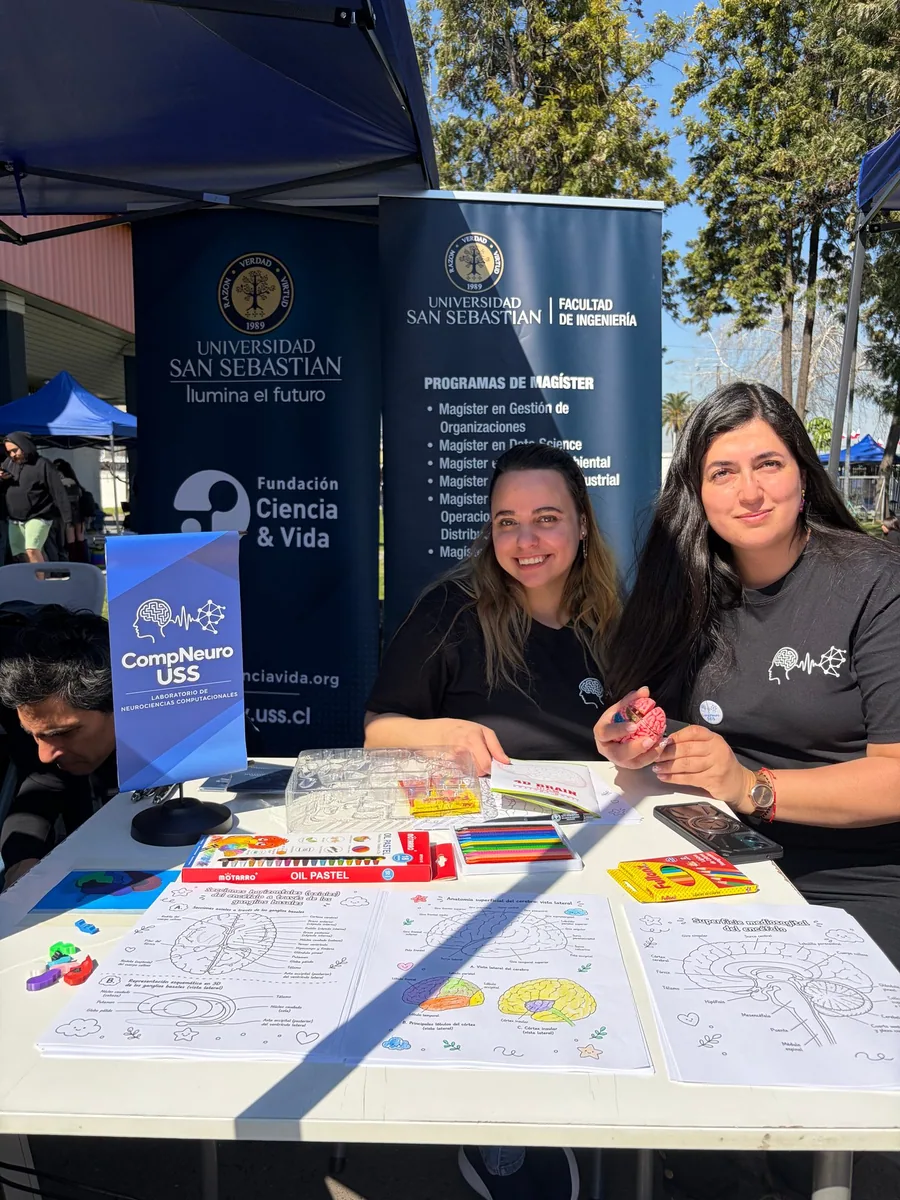
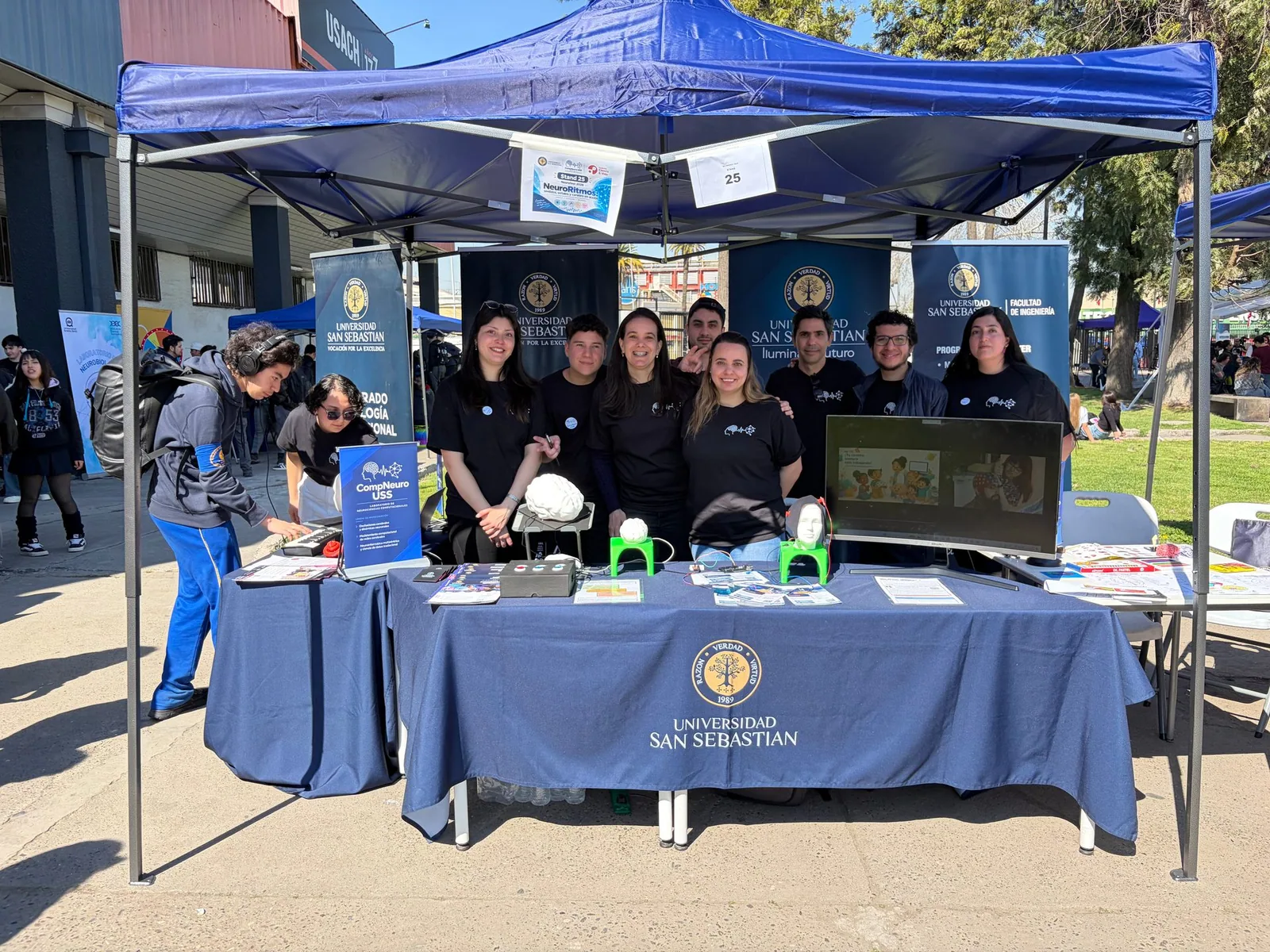
Dr. Mónica Otero, associate researcher at Centro Ciencia & Vida and faculty member at Universidad San Sebastián, led the stand “NeuroRhythms: senses, signals and the brain in action”, developed by the USS Computational Neuroscience Laboratory.
The experience explored how the brain works through 3D models, brain rhythms, recordings of electrical activity and sensory activities, showing in an engaging way how the brain receives, processes and responds to different stimuli.
The proposal was aimed especially at children, adolescents and families, combining experimentation and learning to show that behind everyday actions such as perceiving a stimulus or responding to our surroundings lies a complex network of brain signals and processes.
Neuroscience beyond the laboratory
NeuroFest 2026 brought together outreach experiences that connected science, technology, education and everyday life, giving people of all ages the chance to learn about the brain through participatory activities.
The presence of Dr. Tapia and Dr. Otero at the event reflects the commitment of Centro Ciencia & Vida (FCV-USS) to strengthening the link between research and society, promoting opportunities for the knowledge generated in laboratories to engage with different audiences and contribute to a better understanding of scientific phenomena directly related to everyday life.
Taking part in NeuroFest 2026 also gave visibility to the scientific and training work, at both undergraduate and graduate level, that researchers at the Basal Centre carry out in areas such as the neurobiology of aging and computational neuroscience, bringing these lines of research closer to the community through educational, interactive and outreach experiences.